Phone

+44 7917 764549

Jigsaw Construction Ltd

Based in Hampshire, Surrey and West Sussex

WELCOME TO JIGSAW


Since 2017, we have specialised in constructing residential, commercial, and luxury homes, properties, and businesses, earning a reputation for our unwavering commitment to consistency, quality, and sophistication.

Working with Full Transparency,

each project is Personal.

At Jigsaw, we prioritise quality workmanship, honesty, and delivering on our promises. This commitment to excellence has earned us glowing recommendations from many satisfied clients.

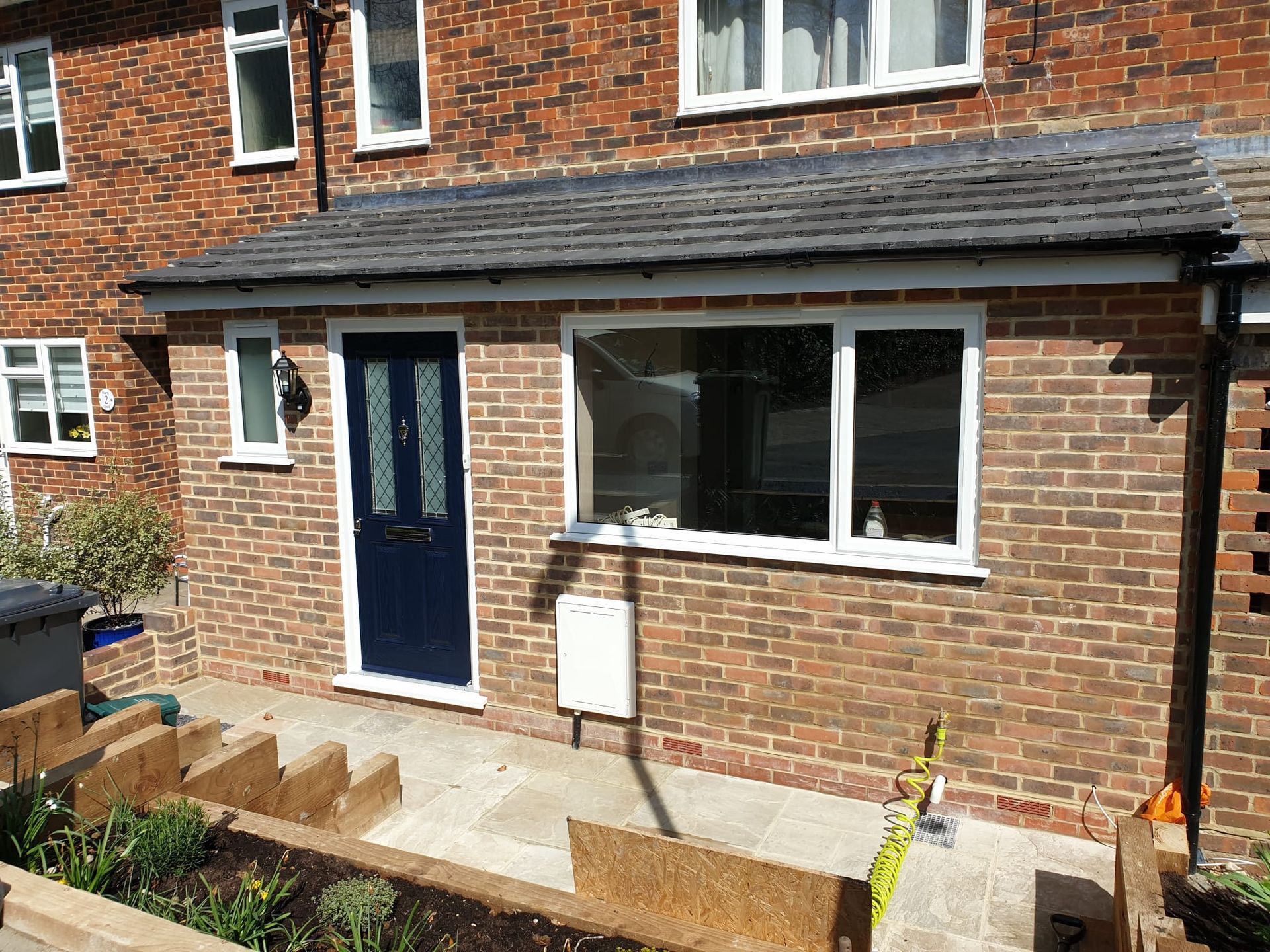
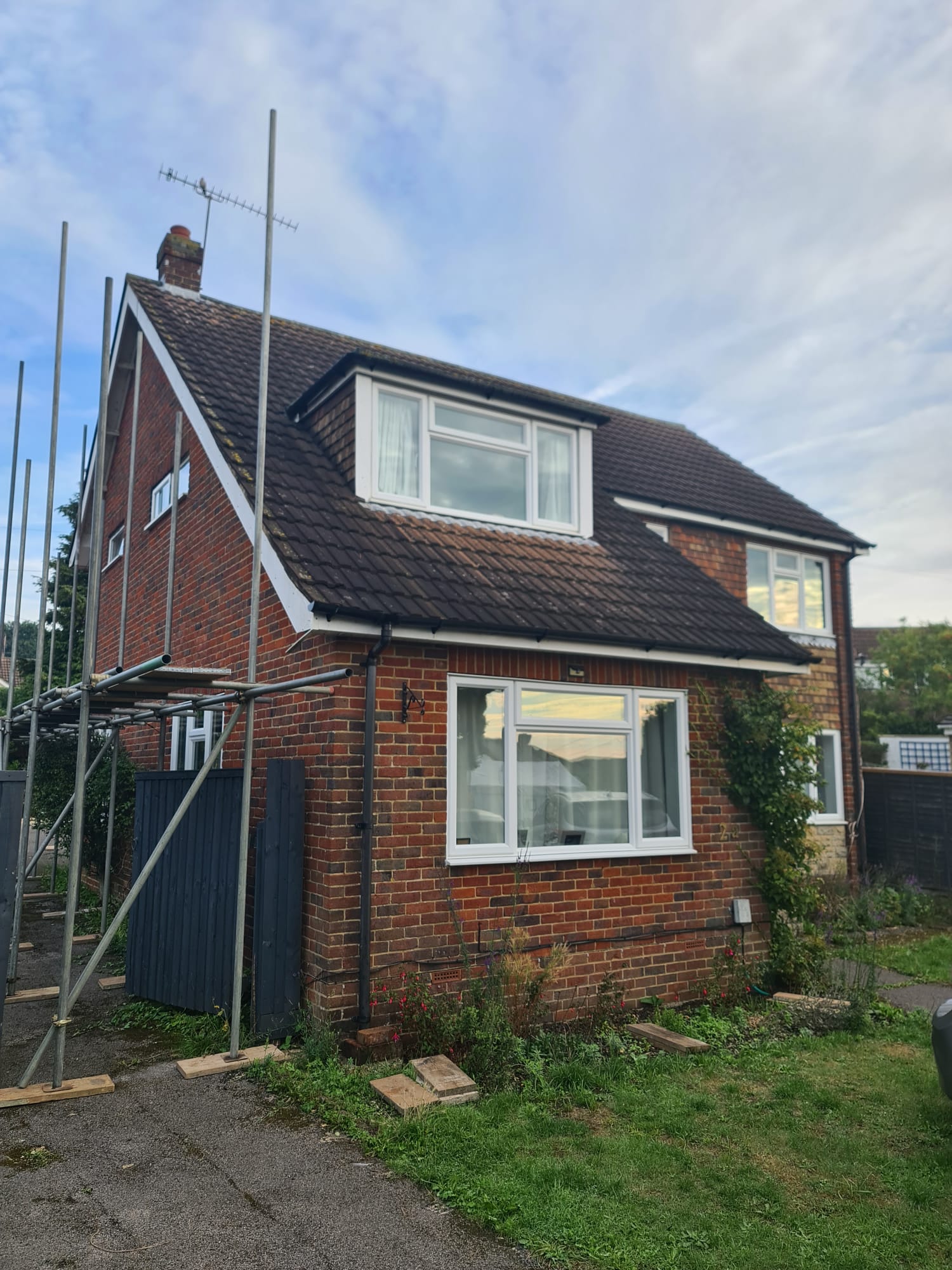
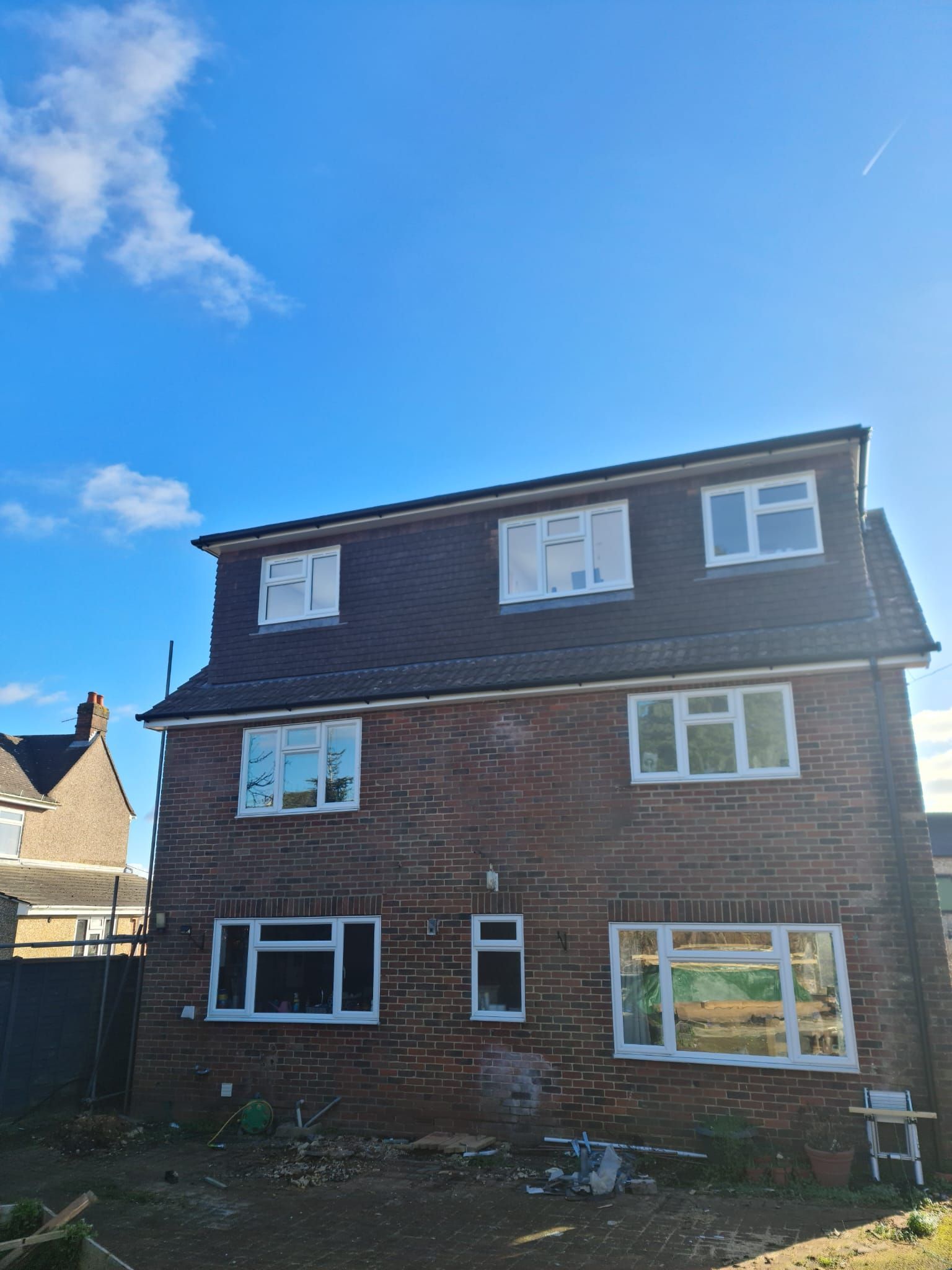
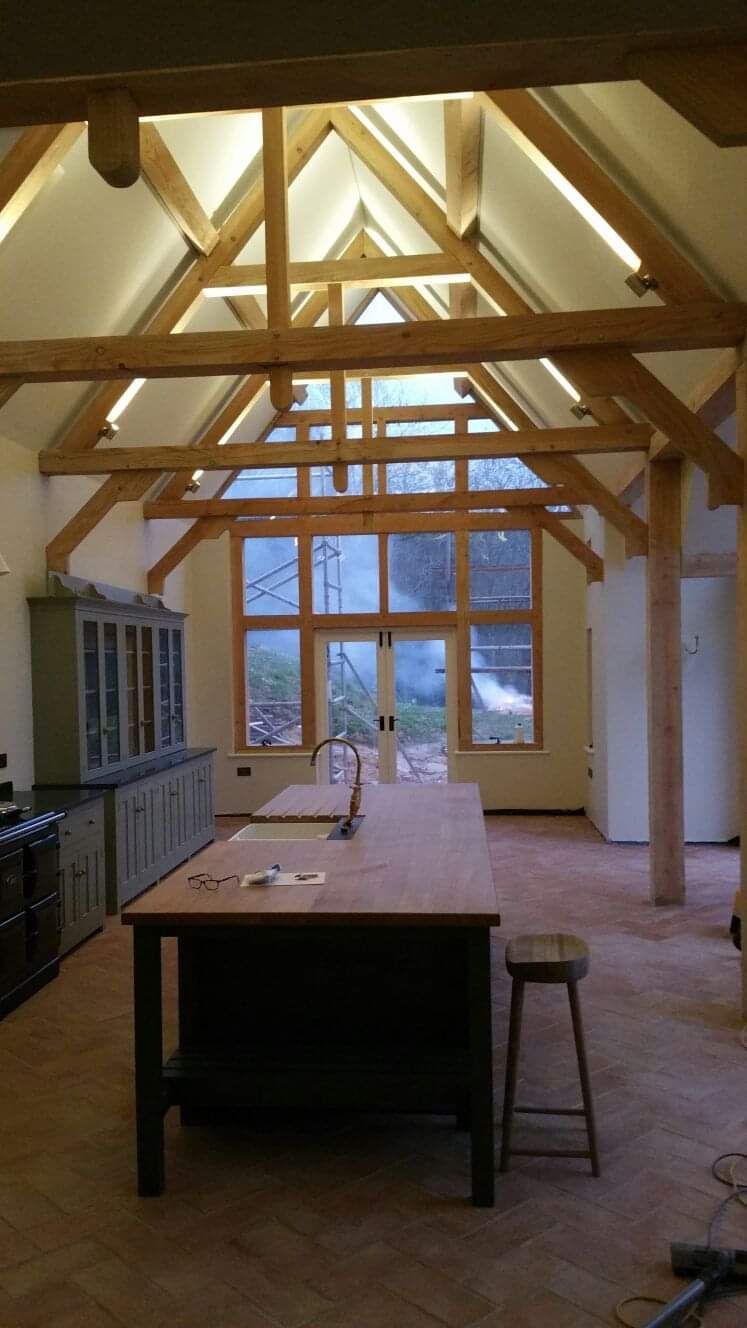
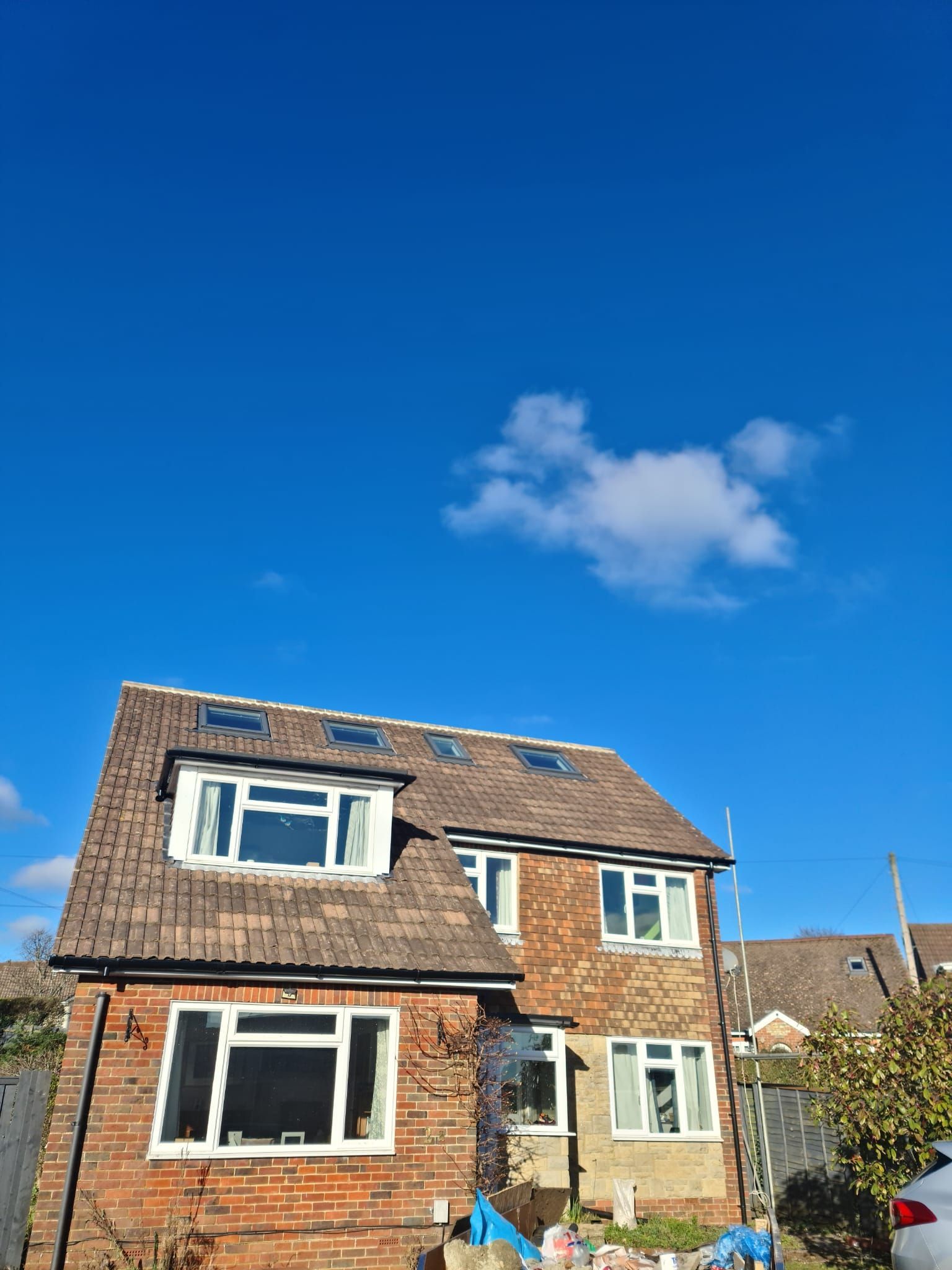
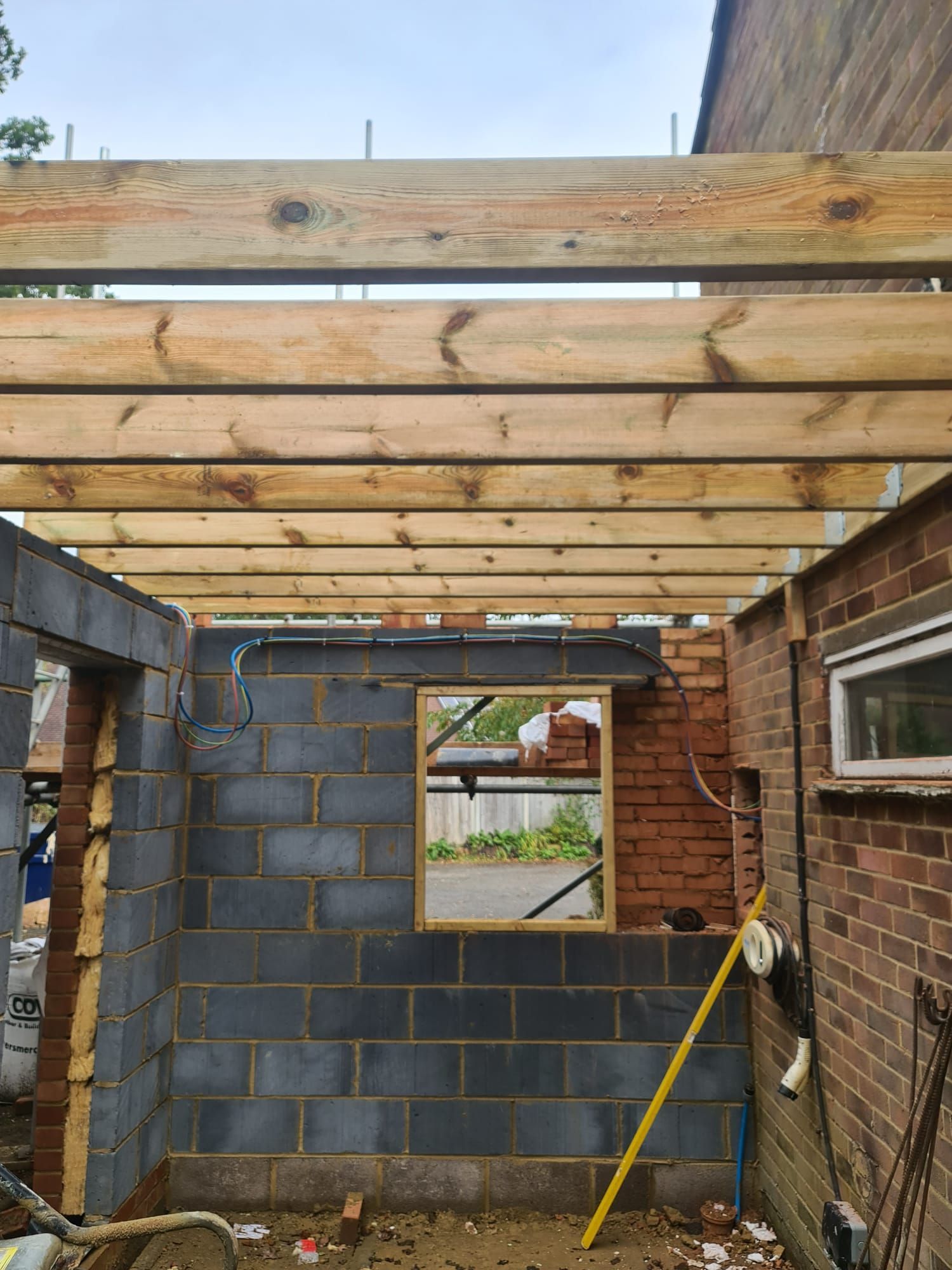
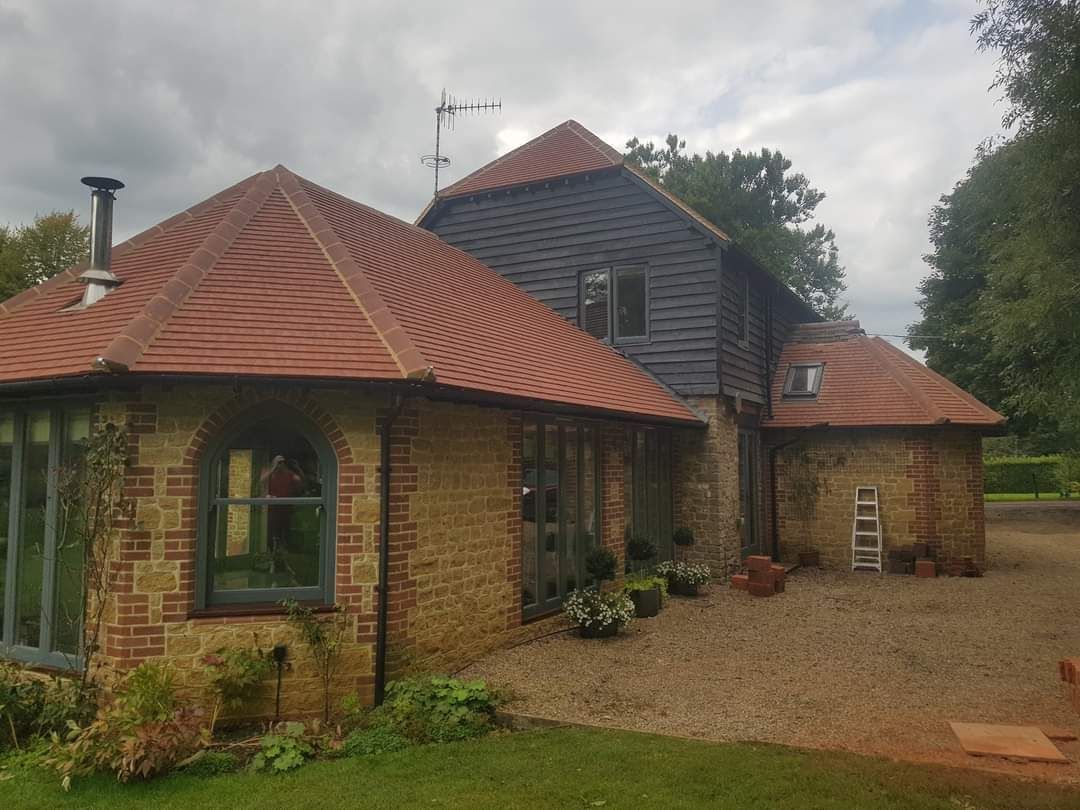
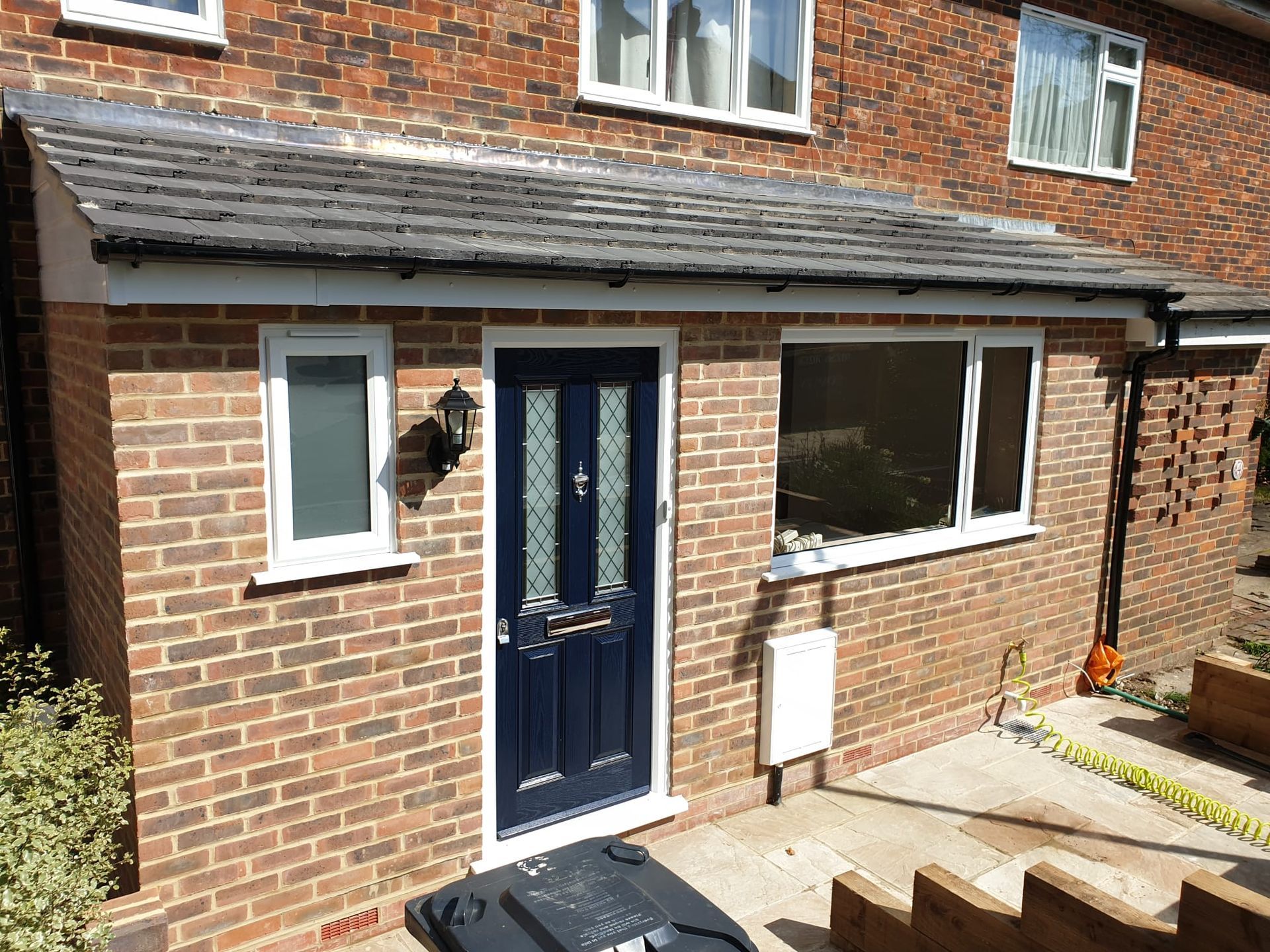
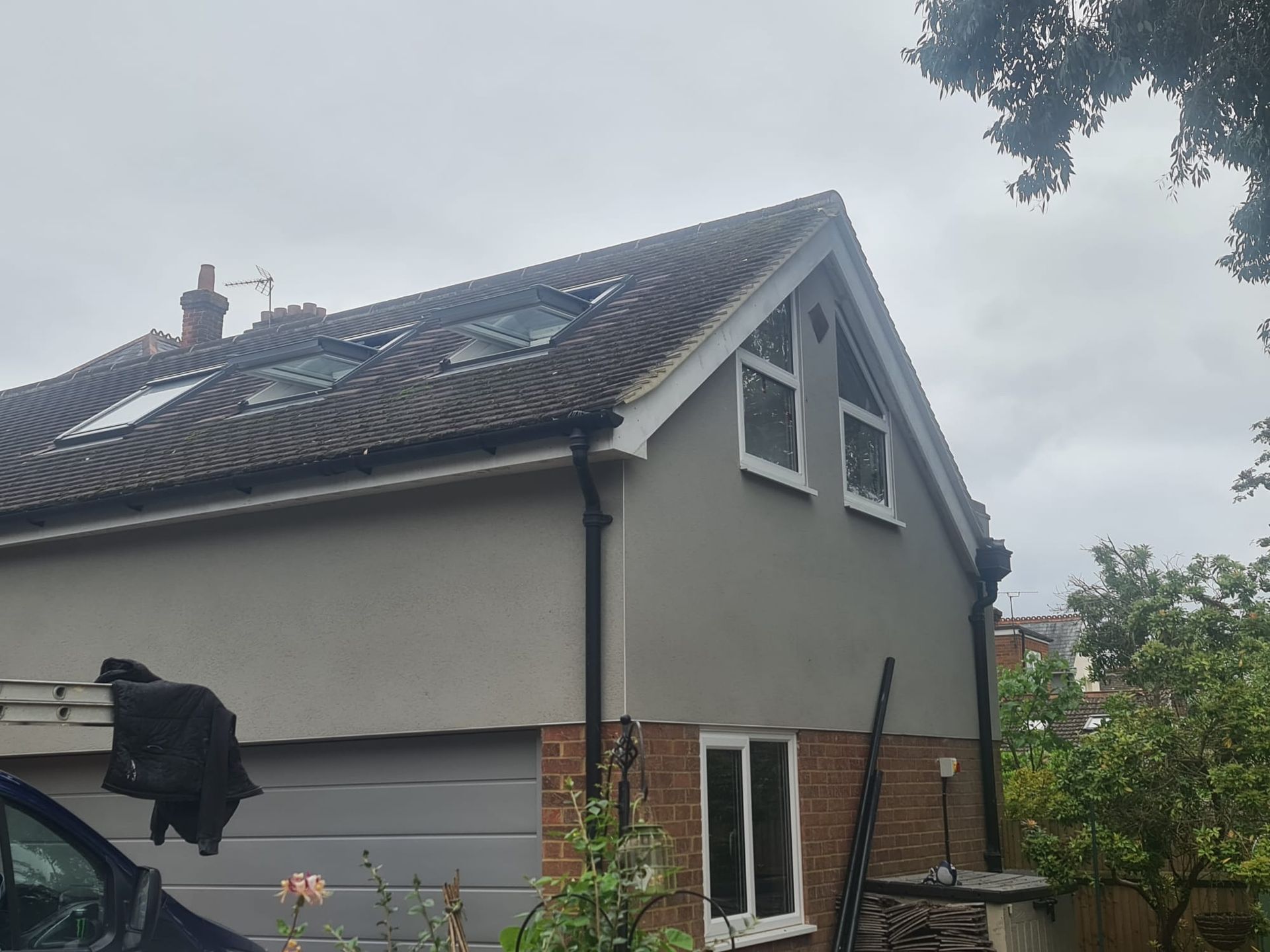
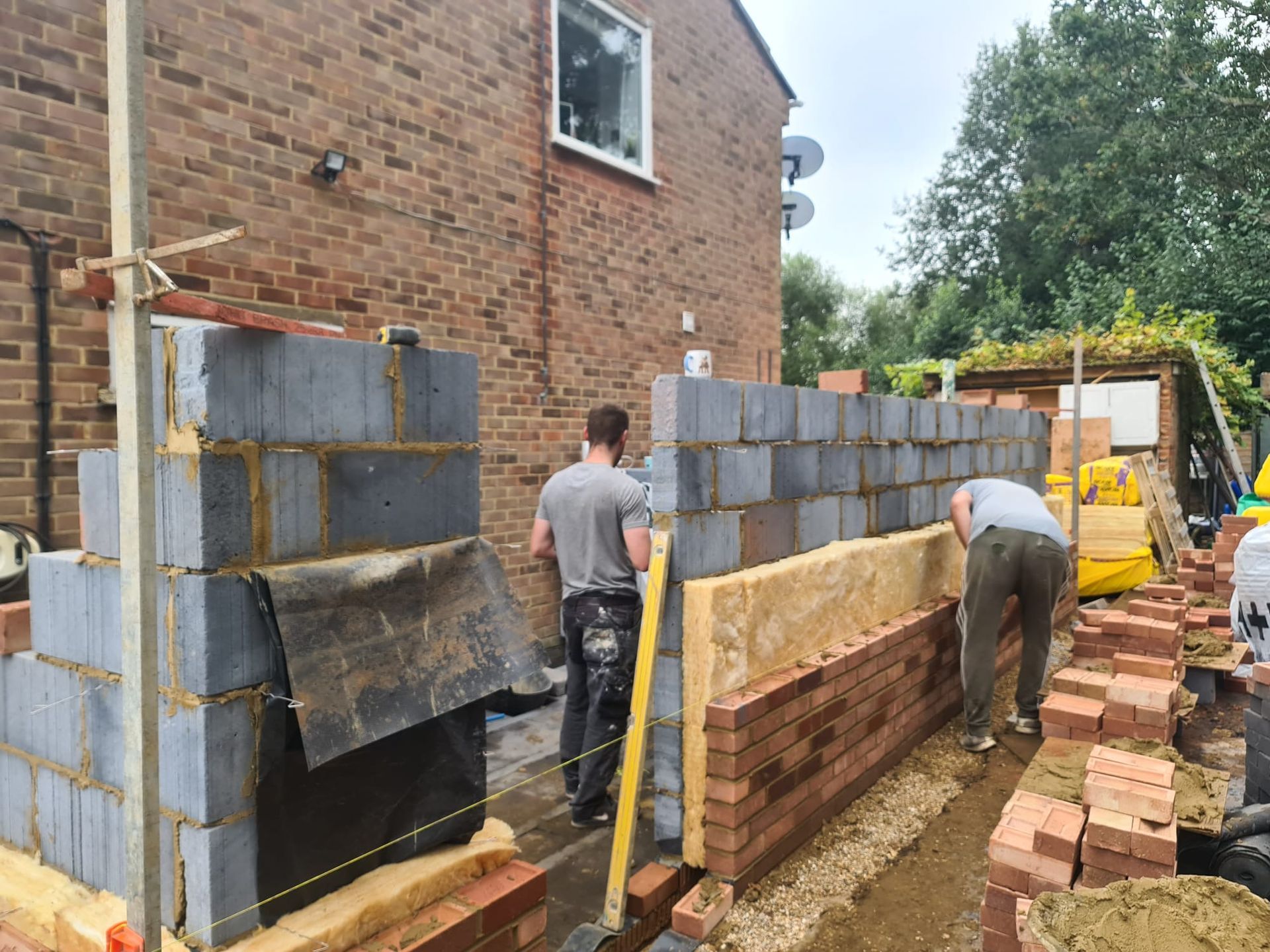
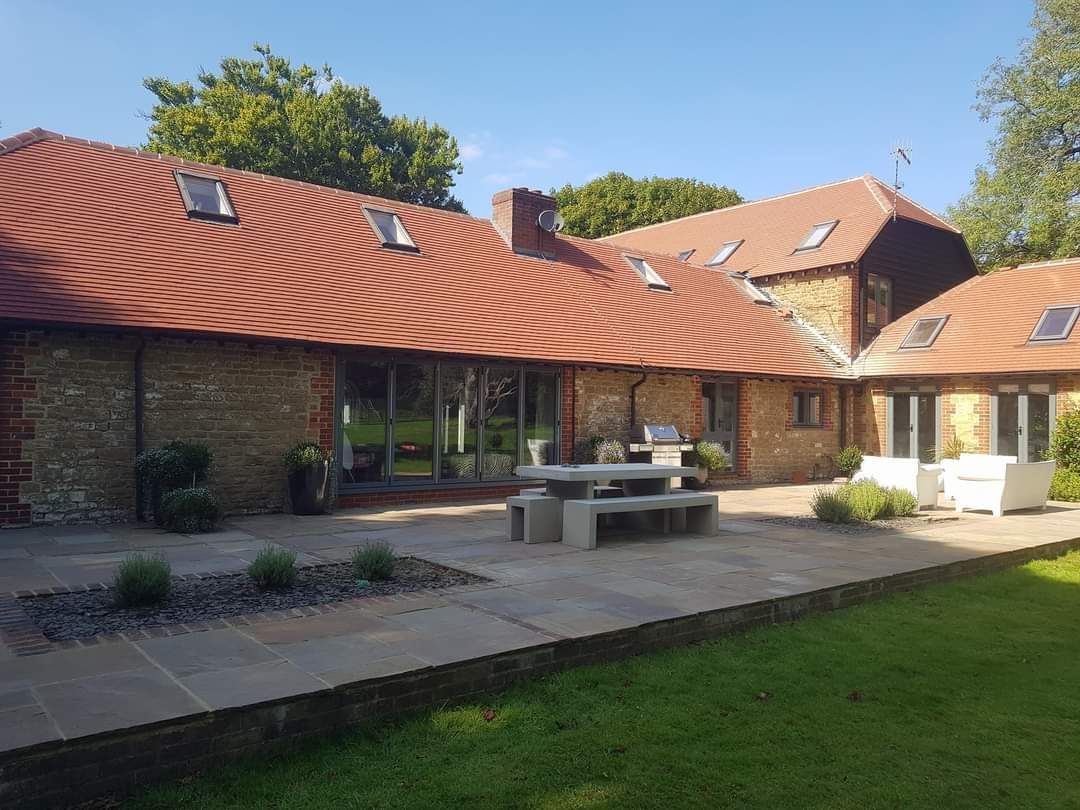
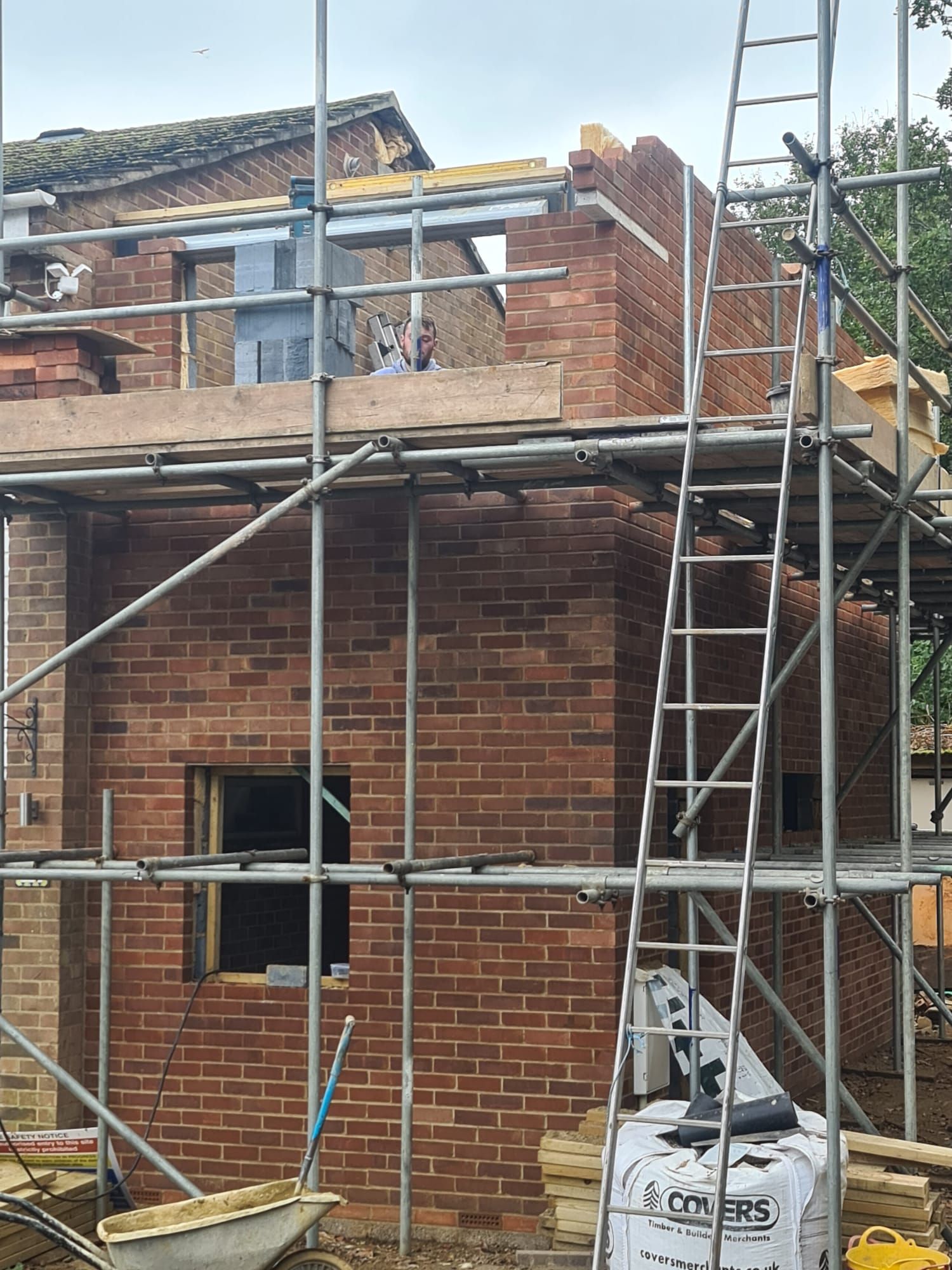
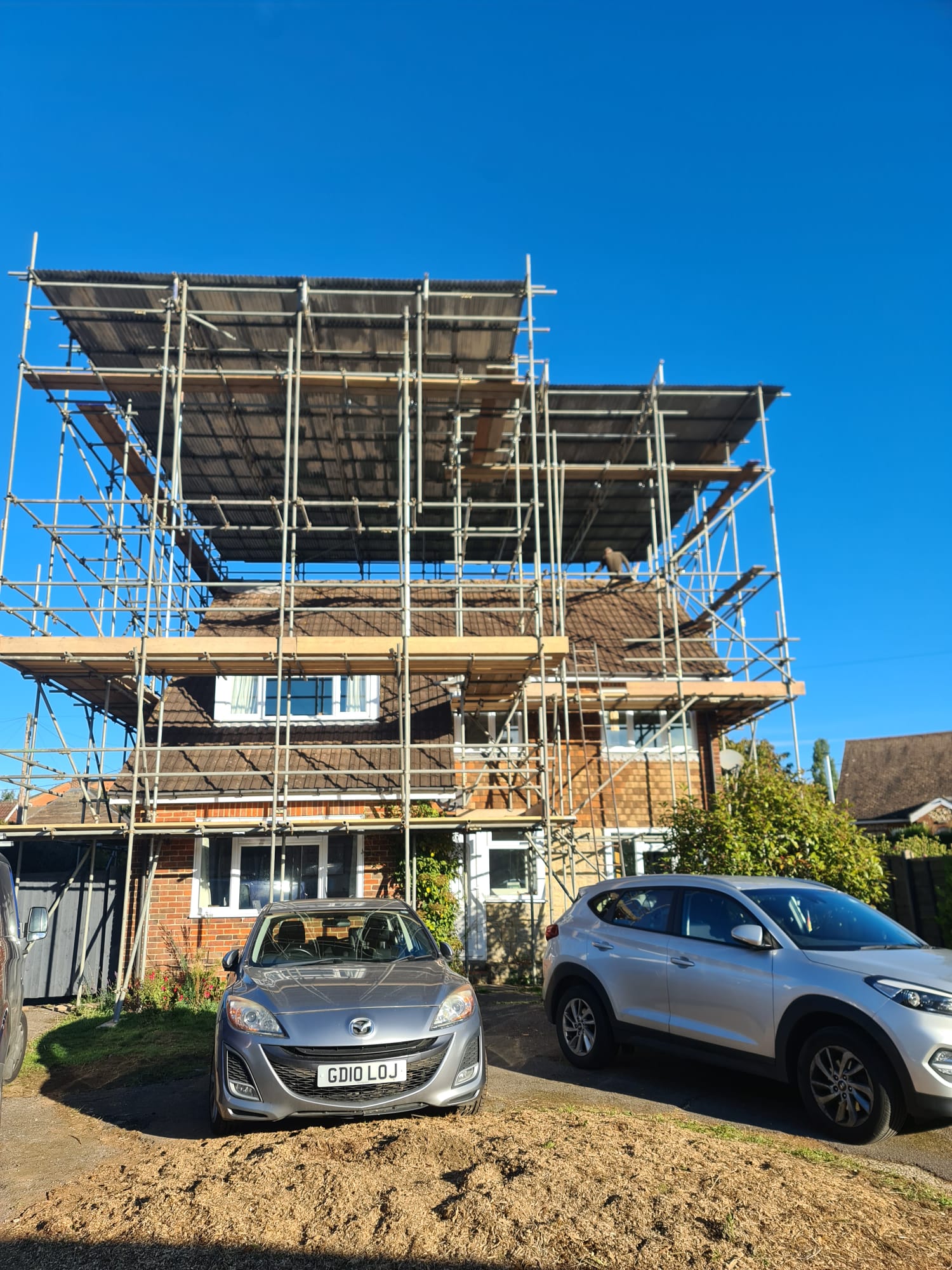
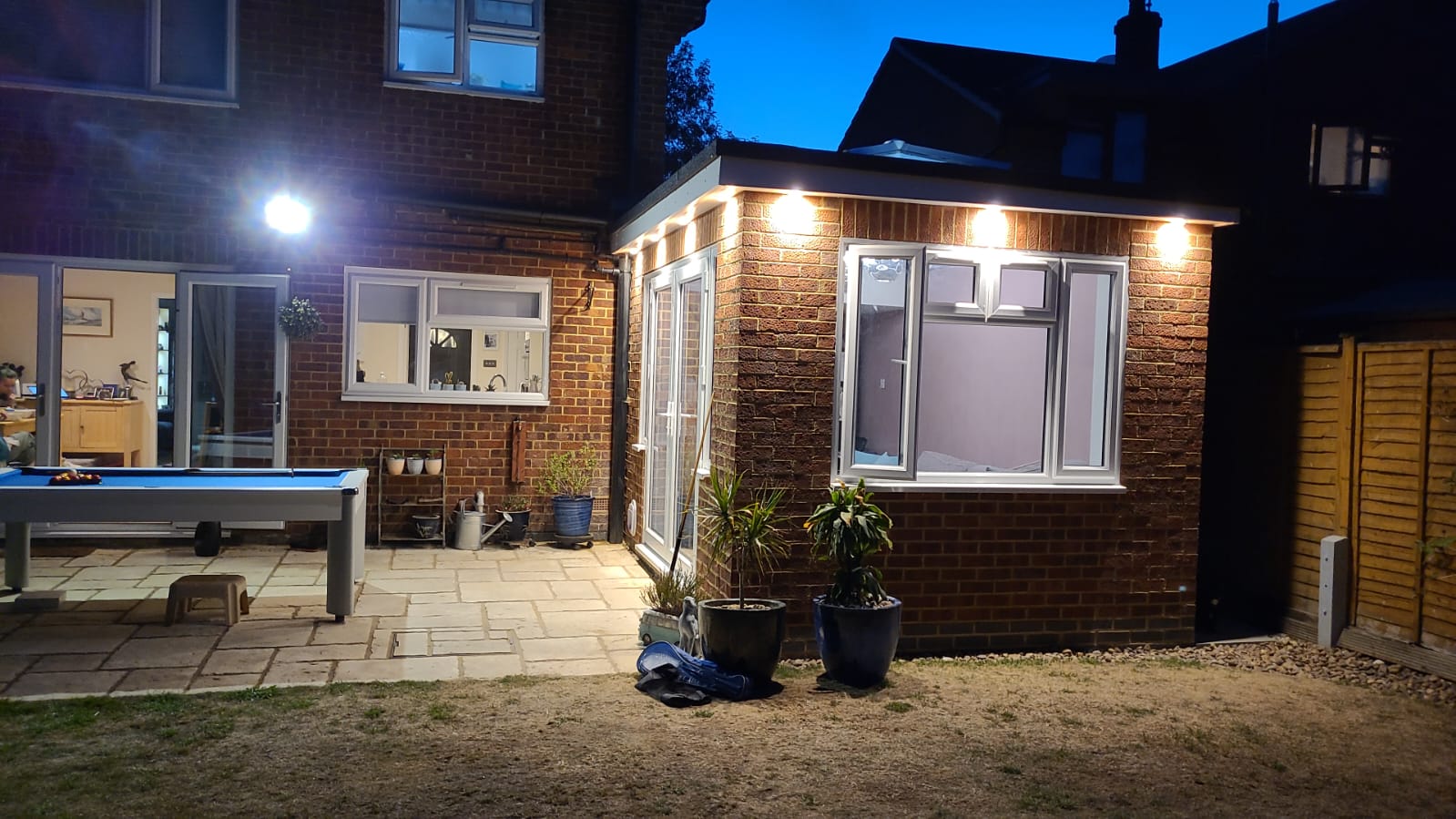
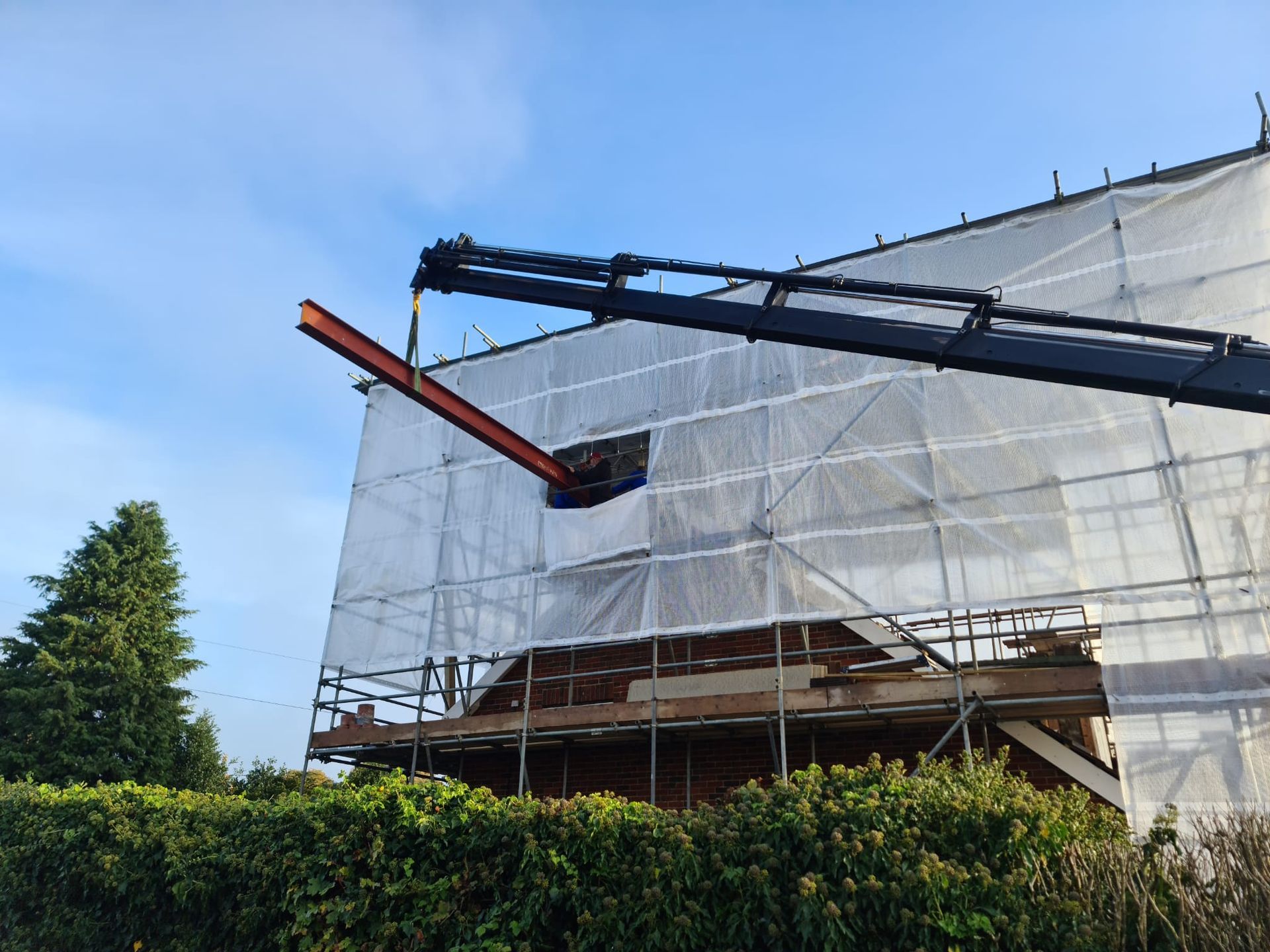
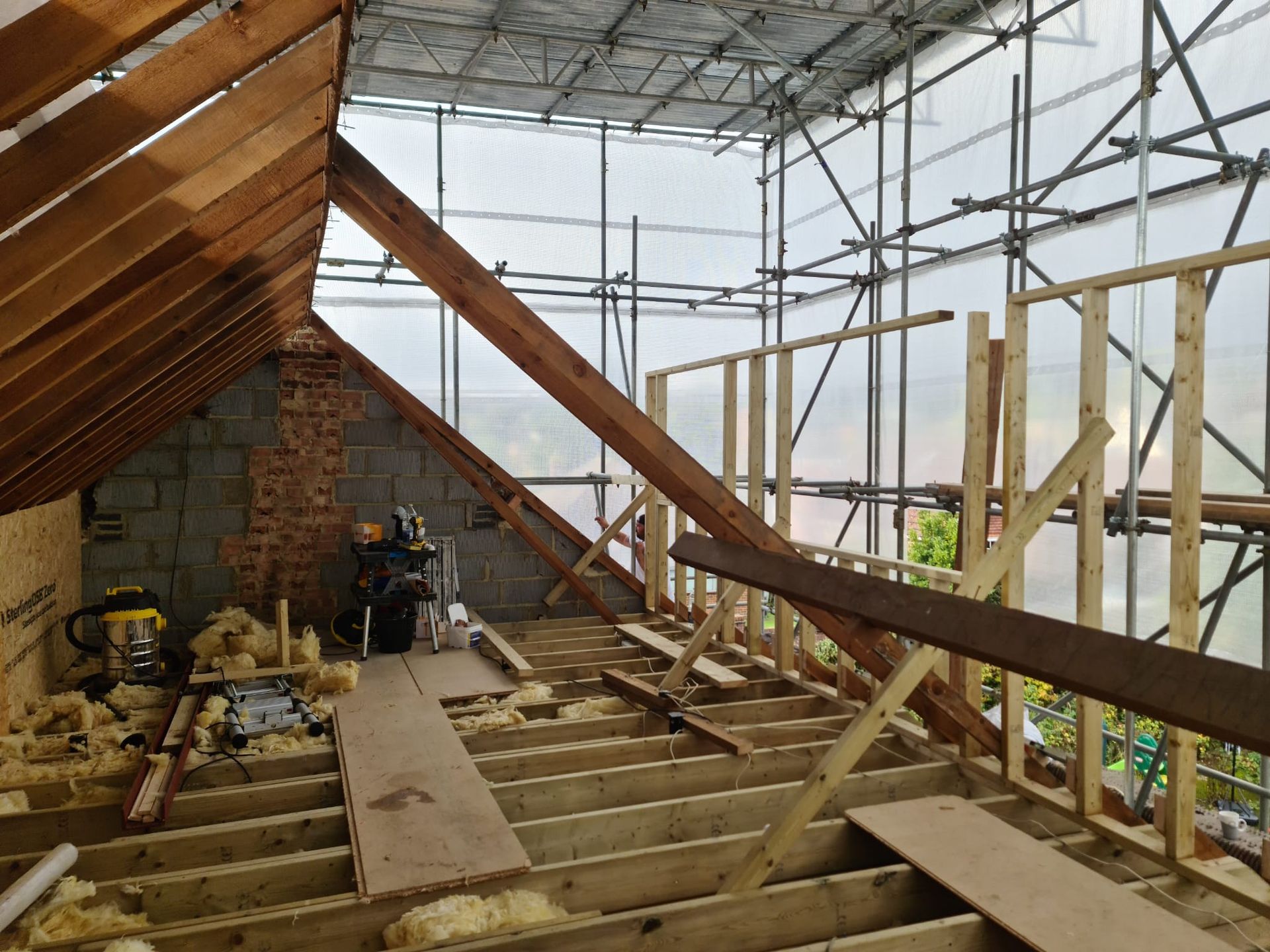
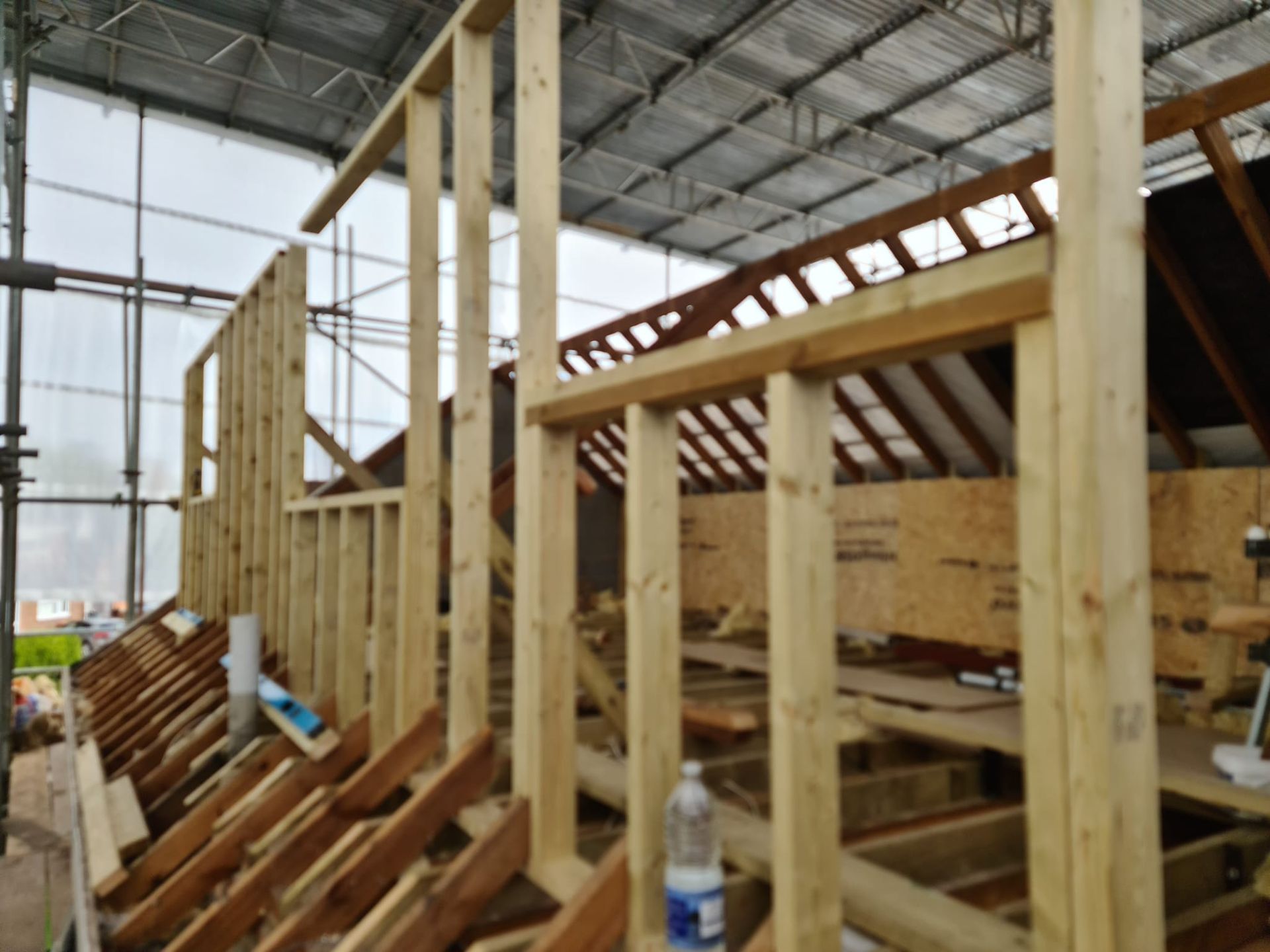
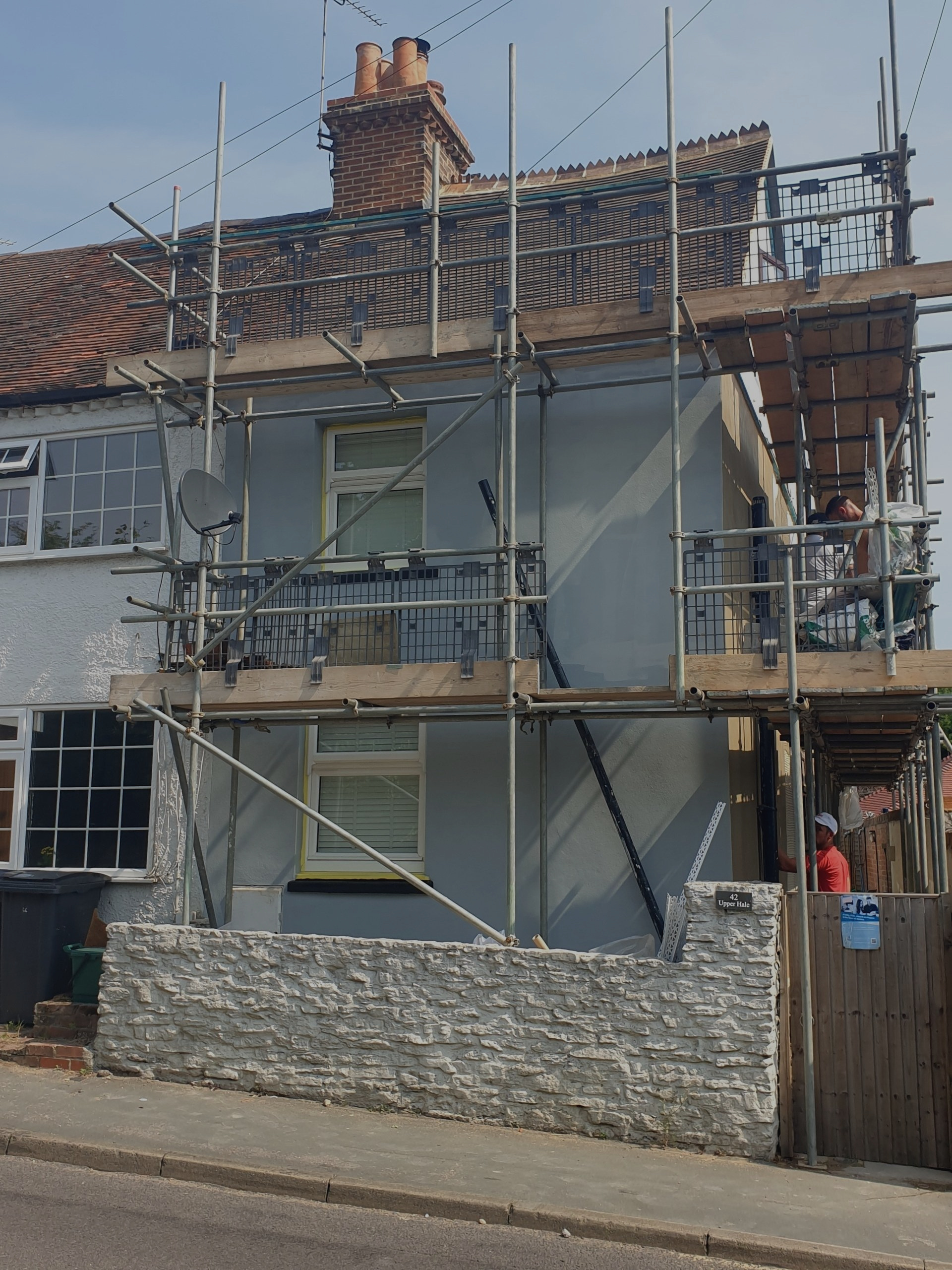
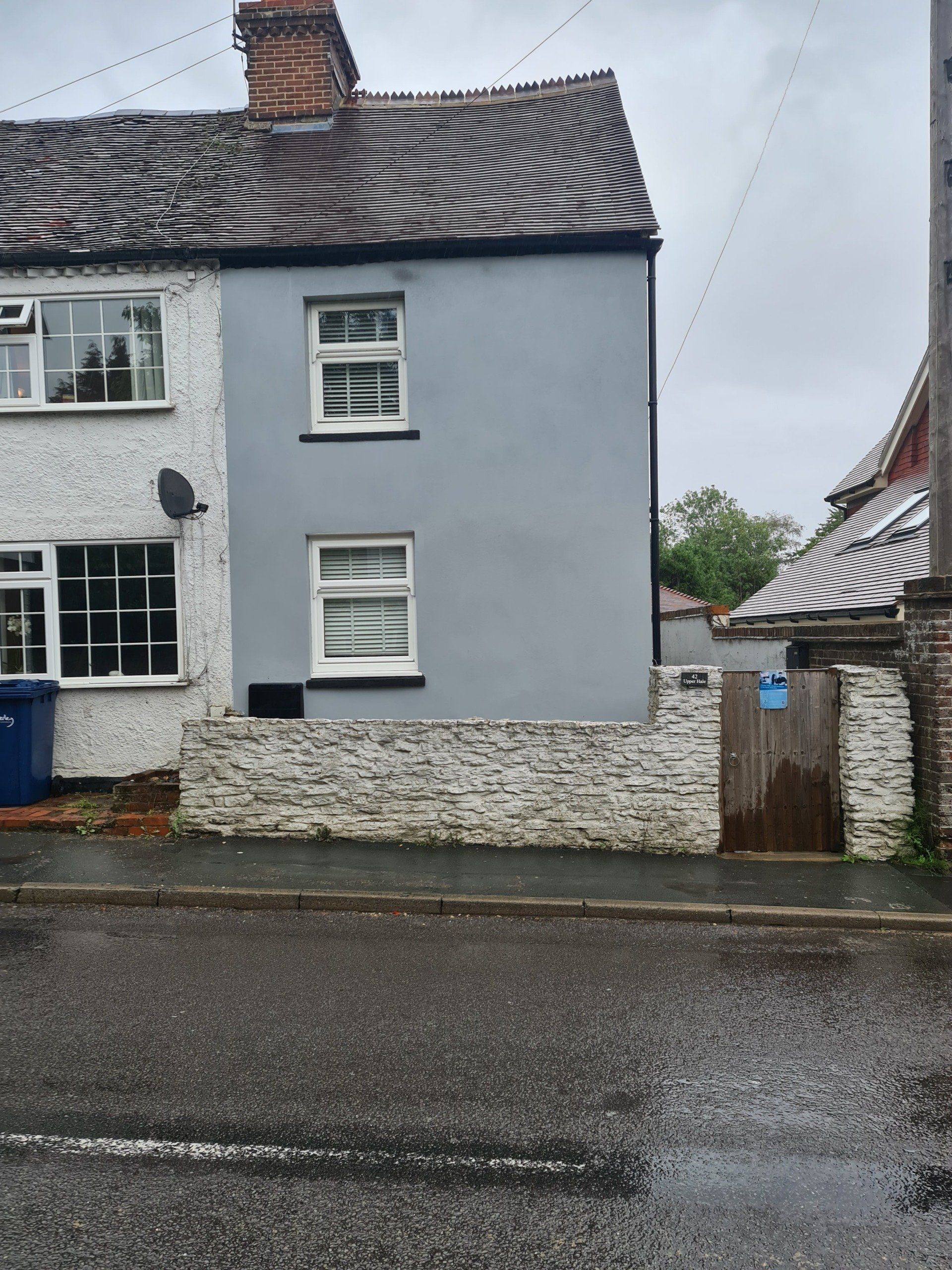
Undertaking projects in Surrey, Hampshire, and West Sussex encompassing extensions, conversions, timber frame, flat roofing (pitched trusses, and hand-cut), and renovations.


At the core of our operations lie our company values, our commitment to providing a diligent team to deliver a time-sensitive project within budget and scope was paramount to our client.


Our pragmatic and transparent approach involved offering detailed information and regular updates to prioritize effective time management.


Jigsaw diligently project managed by providing weekly updates and continuous budget reviews to guarantee fulfillment of our promises.

SEE OUR PROJECT GALLERY

The INSPIRATION HUB


by Elaine Jackon • 30 September 2026
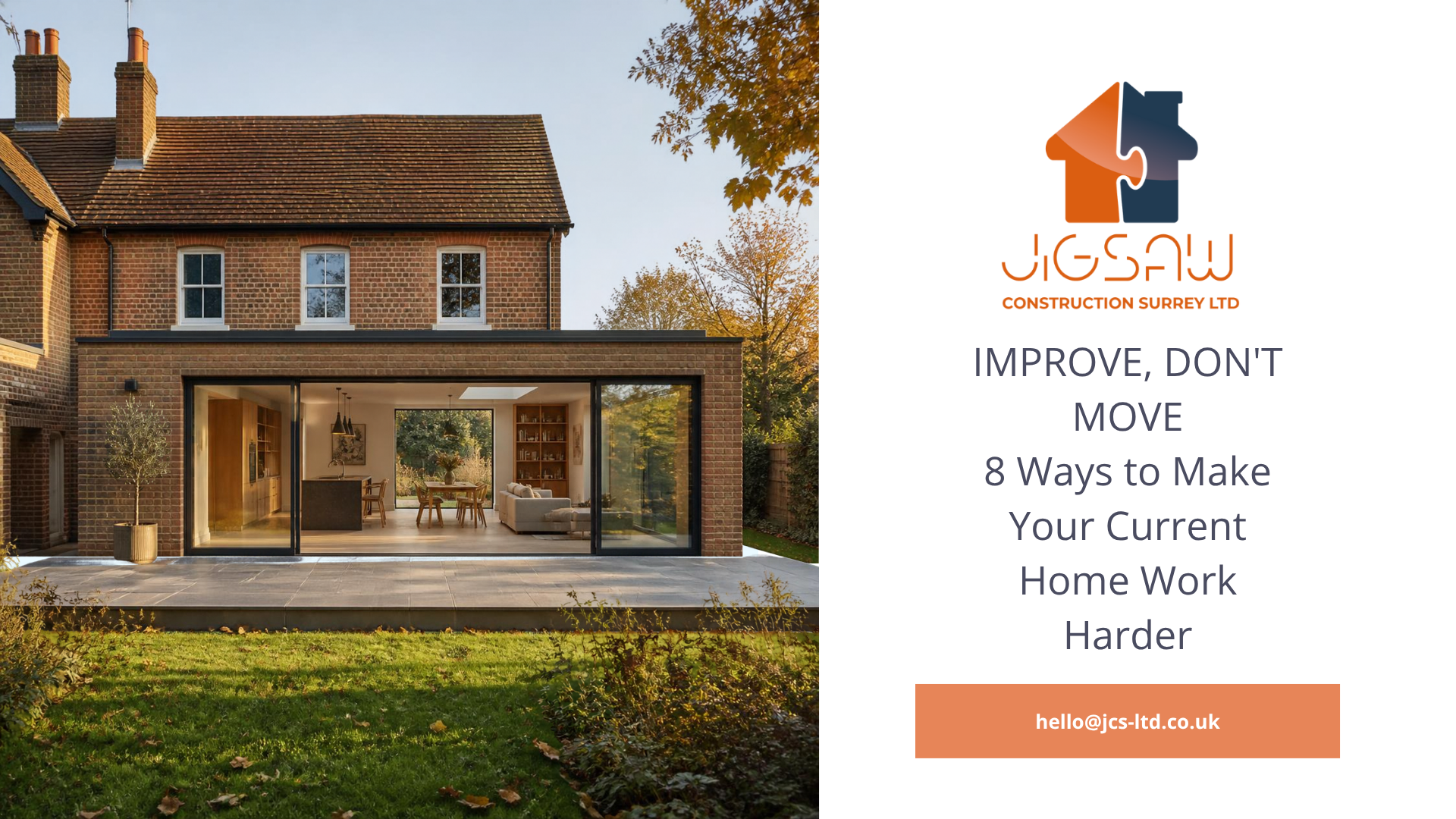
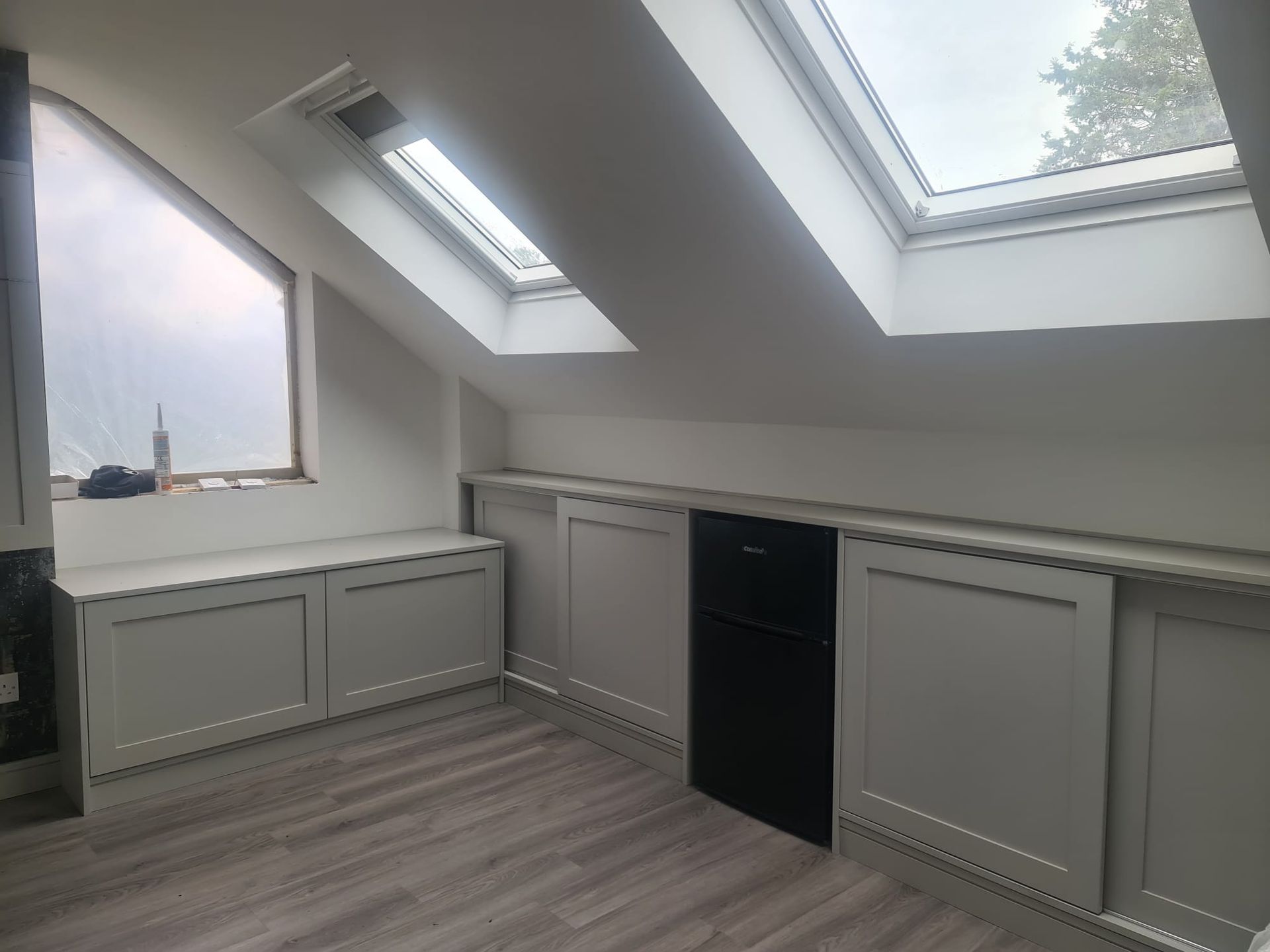
Improve, Don’t Move: 8 Ways to Make Your Current Home Work Harder For many homeowners, there comes a point when the home they once loved simply doesn’t seem to work as well as it used to. Perhaps the family has grown. Working from home has become permanent. The kitchen feels too small. Storage is overflowing. You need an extra bedroom, or the layout that worked perfectly ten years ago now feels awkward and restrictive. The obvious answer can seem to be: move house. But moving isn’t the only option. For many homeowners, improving the property they already have can create the additional space, flexibility and functionality they need — without saying goodbye to a home, neighbourhood and community they already love. Recent UK research also suggests that homeowners are increasingly thinking this way. MyBuilder's 2026 Renovation Nation research found that 26% of homeowners surveyed said the current financial climate made them more likely to renovate than relocate. Meanwhile, the 2026 UK Houzz & Home Study found that many renovating homeowners are planning to remain in their properties for the long term. So, before you start browsing property listings, it may be worth asking a different question: Could your existing home work harder for you? Here are eight ways to think about it. 1. Reconsider Your Existing Layout Before automatically assuming you need more square footage, look carefully at the space you already have.  Sometimes the problem isn't the size of a home. It's how that space is arranged. Older properties in particular may have layouts designed for a very different way of living, with smaller individual rooms, limited connections between spaces and areas that receive relatively little natural light. Reconfiguring the layout could potentially make a significant difference. That might mean widening an opening between two rooms, repositioning an internal wall or changing how particular rooms are used. And open-plan isn't automatically the answer. For some households, a completely open space works brilliantly. Others need separation for working, relaxing, entertaining or simply getting away from the noise of family life. The objective should be to create a layout that suits your household , rather than following a particular design trend. 2. Look for Space You're Not Really Using Most homes contain space that isn't working particularly hard. Perhaps there's a garage mainly storing boxes. A loft that hasn't been touched in years. A dining room used three times a year. Or a spare bedroom that's slowly become a storage room. Take an honest look at how every part of your property is being used. Depending on the property, an underused area could potentially become: A home office An additional bedroom A playroom A utility area A guest room A hobby space Additional family living space A conversion isn't appropriate for every property, and factors such as structure, access, insulation, ventilation and Building Regulations need to be considered. But before adding new space, it's worth understanding whether the space you need already exists. 3. Extend Where It Will Make a Genuine Difference Sometimes, you really do need more room. A well-designed extension can completely change the way a property works. But the question shouldn't simply be: “How big an extension can we build?” A better question is: “What do we need the additional space to achieve?” For one family, a modest rear extension might create enough room for a kitchen and dining area that becomes the heart of the home. For another, additional bedrooms or a larger family living area may be the priority. The most successful extensions are generally those designed around how the household will actually use the space. More square footage isn't automatically better. Better-used square footage is. 4. Make Storage Part of the Design Storage may not be the most exciting part of a renovation, but it can have a huge impact on how a home feels. A lack of practical storage can make even a reasonably large property feel cramped. Rather than treating storage as something to solve after construction is complete, consider it during the design stage. Bespoke carpentry and built-in solutions can make use of areas that might otherwise be wasted, including alcoves, spaces beneath stairs and awkward corners. Think about what actually needs a home. Coats. Shoes. Children's belongings. Cleaning equipment. Sports equipment. Home-office supplies. Kitchen appliances. The best storage doesn't simply hide clutter. It makes everyday life easier. And sometimes, creating better storage can solve part of the problem homeowners thought required a much larger renovation. 5. Give Rooms More Than One Purpose The way we use our homes continues to evolve. A room that performs only one function can sometimes feel like a luxury when space is limited. Instead, think about whether certain rooms could work harder. A home office might double as a guest room. A spare bedroom could incorporate a workspace. A larger landing or hallway might provide useful storage. A family room could include a carefully designed study area. The key is planning these different functions properly rather than simply squeezing more furniture into a room. Lighting, electrical points, storage, privacy and acoustics can all affect whether a multi-purpose space genuinely works. Flexible spaces can also help a property adapt as life changes. Today's playroom could become tomorrow's study or home office without requiring another major renovation. 6. Improve the Connection Between Rooms Sometimes a home feels small because individual spaces don't connect particularly well. Awkward door positions, narrow openings or poorly considered circulation routes can make moving around a property feel frustrating. Small structural changes can sometimes have a surprisingly significant impact. Creating wider openings, improving sightlines or changing how rooms connect can make the property feel more spacious without substantially increasing its footprint. Natural light also plays an important role. A carefully positioned opening, glazed door or rooflight can help light travel further into the property, making previously dark areas feel more inviting. The aim isn't necessarily to make every room enormous. It's to make the whole home feel more coherent. 7. Think About How Your Needs Could Change When you're investing in your home, it makes sense to look beyond what you need right now. Consider how your household might change over the next five, ten or even twenty years. Could your working arrangements change? Will children need different spaces as they grow? Could elderly relatives eventually spend more time with you? Would you prefer to stay in the property as you get older? You don't need to predict every possible future scenario. But creating adaptable spaces can help your home evolve without requiring another substantial project every few years. This could mean creating rooms capable of changing function, thinking carefully about accessibility or ensuring a new layout isn't so specialised that it becomes difficult to adapt later. A successful renovation should solve today's problems without unnecessarily creating tomorrow's. 8. Prioritise How You Live, Not Just What's Trending Social media can provide fantastic inspiration for home improvement. But it can also make homeowners feel that every property needs the same enormous kitchen island, wall of glazing or perfectly styled open-plan space. Trends change. Your lifestyle matters much more. Before deciding what to change, think about the frustrations you experience in your home every day. Where does everyone gather? Where does clutter accumulate? Which rooms rarely get used? Where do you need more privacy? What feels too dark? What makes everyday routines difficult? Those answers are often far more valuable than the latest interiors trend. A home improvement project should ultimately make your life easier and your home more enjoyable to live in. Renovate or Move? Start With the Right Question There will always be circumstances where moving home is the right decision. Perhaps you need to relocate for work, want to live in a different area or need something your existing property simply cannot provide. But if the main reason you're considering moving is that your current home doesn't quite work anymore, it's worth exploring the alternatives first. Rather than asking: “Do we need a bigger house?” Try asking: “Could we make better use of the house we've already got?” You may discover more possibilities than you expected. A thoughtful combination of reconfiguration, conversion, extension, carpentry and renovation could completely change how your property functions. And importantly, you get to keep the things about your current home that you already value. Making Your Surrey Home Work Better with Jigsaw Construction Surrey Ltd Every property is different, which means there isn't a single solution for creating a better home. For one homeowner, the answer may be an extension. For another, it could be a conversion, structural alterations, bespoke carpentry or a wider renovation. At Jigsaw Construction Surrey Ltd, we work across a range of residential construction projects, helping homeowners improve and transform their properties with careful planning and quality workmanship. The aim isn't simply to make a home bigger. It's to make it work better for the people living in it. If you're starting to feel that you've outgrown your property, you don't necessarily need to start packing boxes. Take another look at the home you already have. There may be more potential there than you realise. Thinking about improving your Surrey home? Get in touch with Jigsaw Construction Surrey Ltd to discuss your ideas and explore what could be possible. Improve the space. Improve the way you live. You might not need to move at all.
by Elaine Jackon • 7 September 2026
7 Exterior Checks That Could Prevent Expensive Winter Repairs September often feels like a turning point for our homes. The summer furniture starts disappearing, evenings become cooler and suddenly autumn—and everything the British weather can bring with it—doesn't feel very far away. But while many of us think about turning the heating back on or preparing the garden for colder weather, there is another important job worth adding to the September list: Checking the outside of your home. Small exterior problems can be relatively easy to overlook during summer. A slipped roof tile, deteriorating pointing or damaged fascia might not seem particularly urgent when the weather is dry. Once persistent rain, wind, frost and colder temperatures arrive, however, small defects can become much bigger problems. September is therefore a sensible time to take a good look at your property and identify anything that may need attention before winter. Here are seven areas homeowners should consider. 1. Start at the Top: Check Your Roof Your roof is your home's first line of defence against the weather, yet it's also one of the parts of the property we inspect least often. You don't need to climb onto it yourself. In fact, you shouldn't if it isn't safe. Instead, look from ground level for obvious warning signs such as: Missing or slipped tiles Cracked tiles Damaged ridge tiles Visible deterioration around flashing Sagging or unusual areas of the roofline Inside the property, it's also worth checking the loft after heavy rain. Look for damp patches, staining, moisture or daylight appearing where it shouldn't. A minor roofing repair in September could potentially prevent water from finding its way into insulation, ceilings, timber and internal finishes during winter. 2. Don't Ignore Fascias, Soffits and Guttering They may not be the most glamorous parts of your home, but fascias, soffits and gutters perform an important job. Guttering directs rainwater safely away from the building. Fascias support the lower edge of the roof and guttering, while soffits help protect and ventilate the roof structure. Look for: Cracked or sagging gutters Leaking joints Vegetation growing from gutters Peeling or deteriorating timber Loose sections Water marks on external walls Autumn leaves can quickly block already struggling gutters. When rainwater can't escape properly, it can overflow onto walls or collect around the property. Taking action before the leaves really begin to fall can save a lot of trouble later. 3. Look Closely at Your Brickwork and Pointing Brickwork is built to withstand the elements, but it isn't indestructible. The mortar between bricks can deteriorate over time, particularly on exposed areas of a property. September is a useful time to walk around your home and look for: Crumbling or missing mortar Cracked bricks Significant cracks running through brickwork Areas that remain unusually damp Signs of previous repairs deteriorating Damaged pointing can allow more moisture into the wall. During colder weather, repeated wetting and freezing can contribute to further deterioration. Not every small crack signals a serious structural problem, but significant or changing cracks should be professionally assessed rather than ignored. 4. Check How Water Moves Around Your Property Water management becomes particularly important as rainfall increases. During or immediately after rain, take a look around your property. Where does the water go? Ideally, it should move efficiently away from the house rather than collecting against walls or forming large puddles around foundations and patios. Watch for: Standing water Overflowing drains Blocked gullies Water flowing towards the house Sunken paving where water collects Persistent damp around external walls Homeowners often don't notice good drainage when it's working properly. When it stops working, however, the consequences can become expensive. A simple September inspection can help identify problems before the wettest part of the year arrives. 5. Inspect External Timber Timber features can add warmth and character to a property, but external woodwork needs protection from the elements. Take a look at: Window frames External doors Decking Fencing Timber cladding Pergolas Fascias and other exposed joinery Look for splitting, peeling coatings, soft areas, movement or signs of decay. Protective finishes don't last forever. If timber has become exposed, repeated rain and moisture can accelerate deterioration. Maintenance now can help prolong its lifespan and preserve its appearance. 6. Pay Attention to Flat Roofs, Extensions and Outbuildings Don't limit your inspection to the main house. Garages, extensions, garden rooms, porches and other structures also need to be ready for autumn and winter. Flat and low-pitched roofs in particular deserve attention. Check for visible damage, failing edges or signs that rainwater isn't draining as expected. Inside garden rooms and garages, look for damp smells, staining or water marks. If you've invested in additional living or working space, maintaining its exterior is just as important as looking after the main property. 7. Look at the Property as a Whole Sometimes problems become easier to spot when you stop examining individual details and look at the whole building. Stand back from your property and ask: Does anything look different? Perhaps part of the guttering isn't sitting straight. Maybe a section of fencing has started leaning. Perhaps paving has moved, a roofline looks uneven, or an area of brickwork appears darker than it used to. Homeowners see their property every day, which means gradual changes can be surprisingly easy to miss. Photographs can help too. Comparing the exterior with pictures taken a year or two ago may reveal changes you hadn't noticed. Why September Is a Good Time to Act There is a big difference between preventative work and emergency repair. Waiting until water is coming through a ceiling on a stormy November evening leaves far fewer options than identifying a damaged roof tile in September. Preparing earlier gives you time to: Investigate the problem properly Understand what repair is required Budget for the work Arrange appropriate trades Complete work before harsher weather arrives It can also help prevent damage spreading into other parts of the property. A roof problem, for example, doesn't necessarily stay a roofing problem if water reaches insulation, timber, plasterwork, and decoration. Early intervention matters. Maintenance Is Part of Protecting Your Investment Home improvement isn't always about dramatic transformations. Extensions, renovations and beautiful new living spaces understandably receive plenty of attention, but maintaining the structure you already have is equally important. Your home is exposed to weather every day of the year. Roofing, brickwork, timber, drainage and exterior finishes all work together to protect what's inside. Looking after these elements can extend their lifespan, protect your property and reduce the likelihood of avoidable repairs. September is also a great time to identify what needs attention before winter tests it. Need Help Preparing Your Property for the Months Ahead? At Jigsaw Construction Surrey Ltd, we don't limit our work to major home transformations. Our experienced team works across a wide range of construction skills, including roofing, carpentry, brick and stone work, renovations and exterior projects. We believe good construction is as much about protecting and maintaining a property as it is about creating something new. If you've spotted something around your home that doesn't look quite right—or you'd like professional advice before the colder, wetter months arrive—now is a good time to investigate it. Get in touch with Jigsaw Construction Surrey Ltd to discuss your property and the work it may need . A little attention in September could make a significant difference when winter arrives.
by Elaine Jackon • 7 September 2026
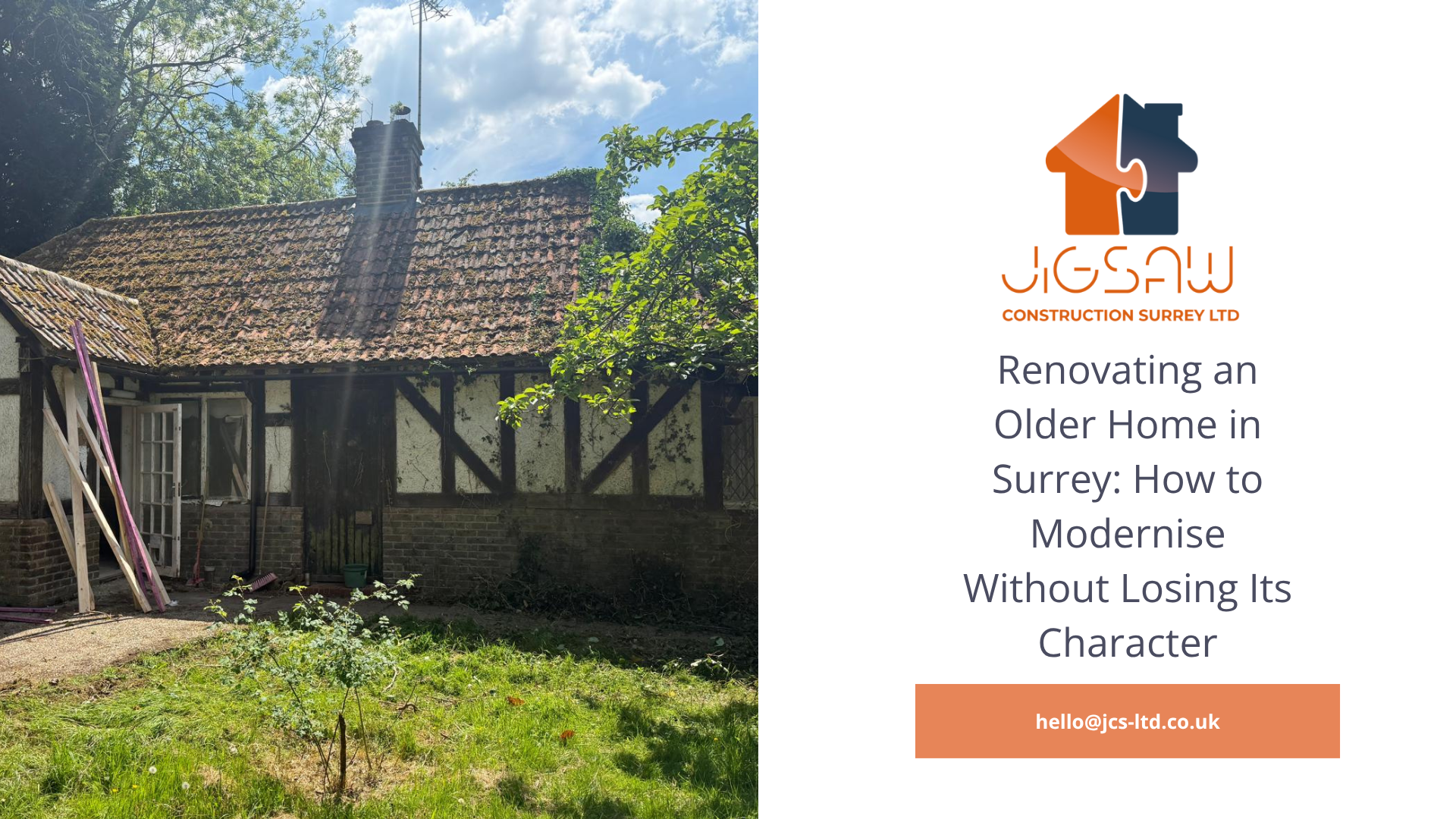
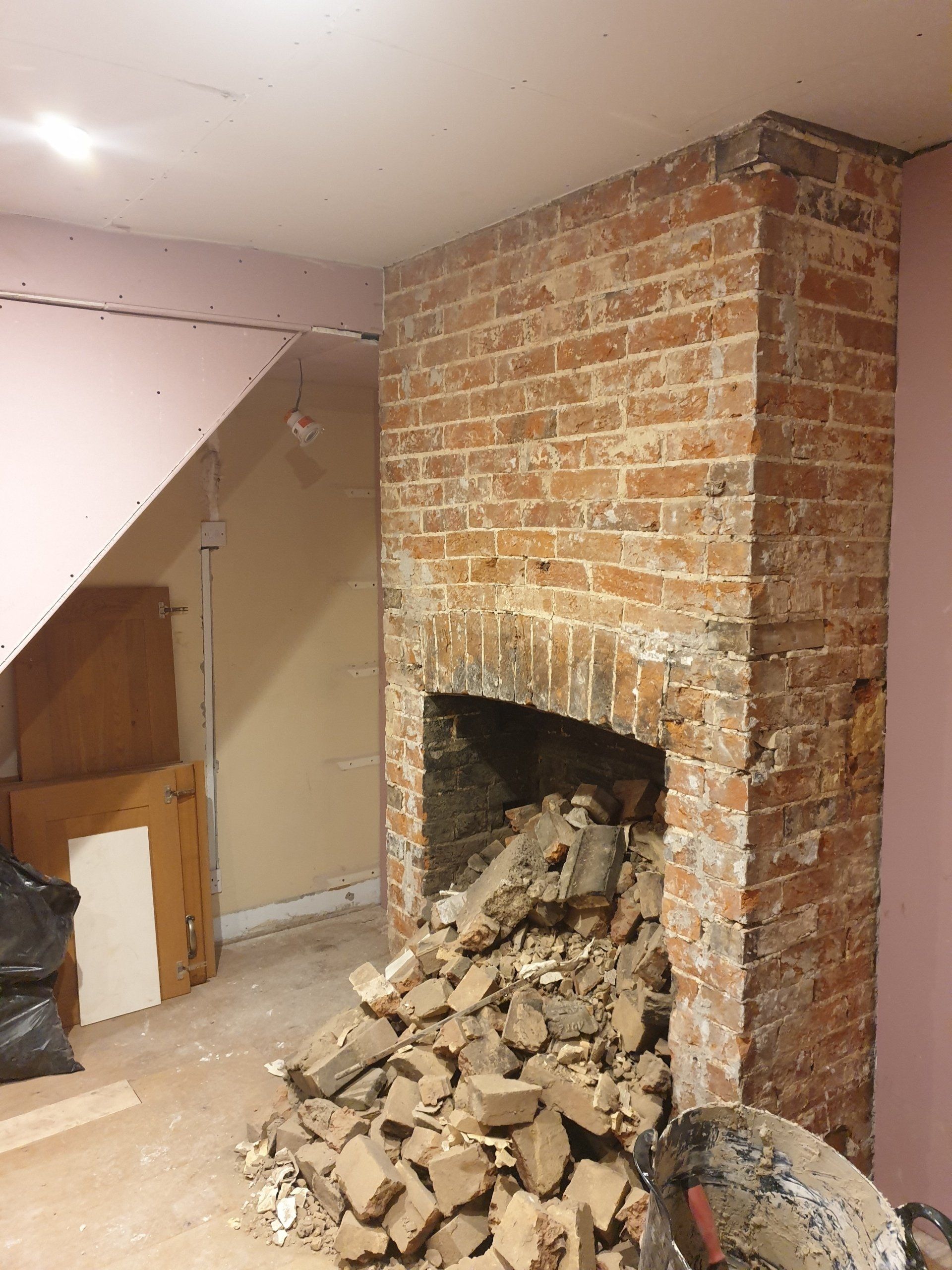
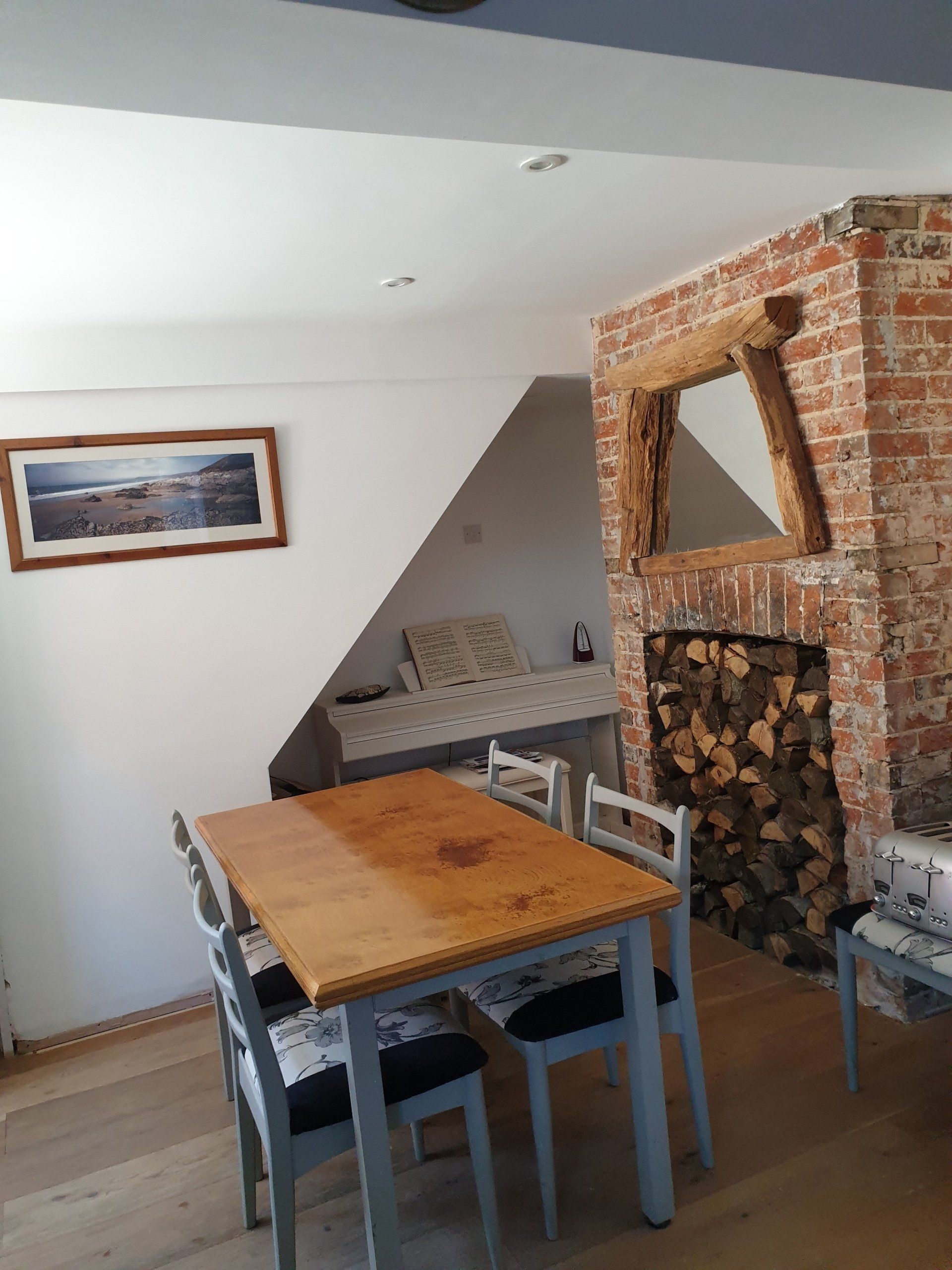
Renovating an Older Home in Surrey: How to Modernise Without Losing Its Character  Older homes have something that many modern properties simply cannot replicate: character. Original fireplaces, traditional brickwork, timber features, unusual layouts, and architectural details can give a property a unique sense of history and personality. Across Surrey, many homeowners are fortunate enough to live in established properties with features worth preserving. But older homes were built for a very different way of life. Smaller kitchens, separate dining rooms, limited natural light, ageing services and poor insulation can all make a character property less suited to the way families live today. So, how do you create a warmer, brighter and more practical home without stripping away the features that made you fall in love with it in the first place? The answer is thoughtful renovation. Modernising an older property does not have to mean turning it into a completely different home. With careful planning, sympathetic materials and quality construction, it is possible to combine the best of the old with the comfort and functionality of the new. Here are some of the most important considerations when renovating an older home in Surrey. Start by Understanding the Property Before changing an older home, it is important to understand what you are working with. Properties that have stood for decades — or even centuries — may have been altered several times by previous owners. Walls may have been removed, extensions added, services updated and original features covered or replaced. Before major renovation work begins, it is sensible to understand: The age and construction of the property Which walls are structural The condition of the roof and external fabric Existing drainage and services Signs of damp, movement or previous repairs Any original features worth retaining This early investigation can help identify potential challenges before they become expensive surprises during construction. Older homes often require a different approach from newer properties. Materials and construction methods that work perfectly in a modern building may not always be appropriate for a traditional one. Understanding the building should always come before changing it. Decide What Character Means to You Not every old feature needs to stay simply because it is old. Equally, removing everything and starting again can take away the personality that makes an older home special. Before renovating, identify the features that genuinely contribute to the character of your property. These might include: Original fireplaces Timber beams Period doors Decorative plasterwork Traditional brickwork Bay windows Original floorboards Architectural proportions Once you know which elements matter most, the renovation can be designed around them. Sometimes, retaining one or two strong original features within a modernised space creates far more impact than trying to preserve every detail. The aim should not necessarily be to create a museum. It should be to create a comfortable modern home that still feels connected to its history. Improve the Layout for Modern Living One of the biggest challenges with older homes is often the layout. Many traditional properties were designed with smaller, separate rooms because families lived very differently when they were built. Today, homeowners often want: Larger kitchens Better family spaces Improved natural light Easier access to the garden More practical storage Better flow between rooms However, modernising a layout does not always mean removing every internal wall. Fully open-plan living works brilliantly for some households, but others prefer a combination of open spaces and more defined rooms. A carefully planned renovation might involve widening an opening between a kitchen and dining room, creating better sightlines through the property, or extending the rear of the home to provide additional space without completely changing the original layout. The best solution depends on the property and the people living in it. Create a Clear Contrast Between Old and New When extending an older home, there are generally two broad approaches. The first is to closely match the original building. The second is to create a deliberate but complementary contrast. Both can work beautifully. A sympathetic traditional extension may use matching brickwork, rooflines and window proportions so the new addition feels like a natural continuation of the existing house. Alternatively, a contemporary extension using large areas of glazing and modern materials can clearly distinguish the new part of the property from the old. The important word is complementary. A successful extension should respect the proportions, materials and setting of the original home, even when the design itself is modern. Done well, the contrast between old and new can become one of the most interesting features of the entire property. Bring More Natural Light Into the Home Older properties can sometimes feel dark, particularly at the rear or in the centre of the house. Improving natural light is therefore one of the most effective ways to modernise an older home. Options may include: Rooflights Roof lanterns Larger windows Glazed doors Internal glazed partitions Carefully positioned openings between rooms The aim is not simply to install as much glass as possible. Good design considers how light moves through the property at different times of the day. A strategically positioned rooflight, for example, can transform a previously dark area without dramatically changing the character of the exterior. Upgrade Comfort and Energy Performance Carefully Older homes can be beautiful, but they are not always the easiest or cheapest properties to heat. Improving comfort and energy performance is therefore a priority for many renovation projects. Depending on the property, improvements could include: Better roof insulation Appropriate wall insulation Improved glazing Draught reduction Modern heating controls More efficient heating systems However, older buildings need to be treated with care. Traditional properties were often constructed using materials that manage moisture differently from modern buildings. Applying unsuitable materials or completely sealing a building without understanding how it performs can sometimes create new problems. This is why a considered approach is so important. The objective should be to improve comfort and efficiency while respecting the way the existing building was constructed. Expect the Unexpected Even with careful preparation, renovating an older property can reveal surprises. Once walls, floors or ceilings are opened up, you may discover previous alterations, ageing pipework, outdated electrics or repairs that were not visible beforehand. This does not mean an older home should be avoided. It simply means realistic planning is essential. A sensible contingency budget and an experienced construction team can make unexpected discoveries far easier to manage. The difference is often not whether a challenge appears, but how professionally it is handled when it does. Choose Materials That Will Age Well When combining old and new, material selection matters. The latest trend may look impressive today, but a renovation should ideally still feel appropriate many years from now. Natural and durable materials can work particularly well in older properties, including: Timber Stone Brick Quality tiles Simple, well-made joinery Modern materials can also be used successfully when they are chosen to complement rather than compete with the existing property. The goal is balance. A modern kitchen can sit beautifully within a period home. Contemporary glazing can highlight original brickwork. New joinery can reference traditional proportions without attempting to imitate the past. Good renovation is not about making everything match. It is about making everything feel considered. Protect the Details That Make the Home Unique During a major renovation, it can be tempting to focus entirely on the biggest elements of the project. But character is often found in the smaller details. An original door, unusual piece of brickwork or restored fireplace can become a focal point within a newly renovated space. Before work begins, consider which features should be protected, restored or carefully incorporated into the new design. Sometimes the most memorable part of a renovation is not what was added, but what was thoughtfully retained. A Successful Renovation Should Still Feel Like Your Home The best older-home renovations do not erase the past. They allow the property to move forward. A successful project might give you a brighter kitchen, better insulation, improved access to the garden and a more practical layout — while still preserving the character and individuality of the original home. That balance requires careful thought. It also requires a construction team that understands that renovating an existing property can be very different from building something entirely new. Renovating Your Surrey Home with Jigsaw Construction Surrey Ltd At Jigsaw Construction Surrey Ltd, we understand that every property has its own story, challenges and opportunities. Renovating an older home requires more than simply replacing what is already there. It means understanding the existing building, making informed decisions and creating improvements that feel right for both the property and the people who live in it. Whether you are considering a sympathetic renovation, reconfiguring your existing layout, creating a new extension or undertaking a larger home transformation, careful planning and quality workmanship can make all the difference. Our focus is on creating spaces that work beautifully for modern life while respecting the individual character of the property. If you are considering renovating or extending an older home in Surrey, get in touch with Jigsaw Construction Surrey Ltd to discuss your ideas and explore what could be possible. Modernise your home. Preserve its character. Build for the way you live today.

Show More

OUR SERVICES


Since 2017, Jigsaw Property Maintenance and Construction has stood out as the top choice building company for numerous local clients. Whether it's renovation, refurbishment, or construction services you seek, our exceptional reputation is built on unparalleled customer support, dependable results, and flawless finishes. Our dedicated team prioritizes health and safety, ensuring it remains at the forefront of every project we undertake.

Construction

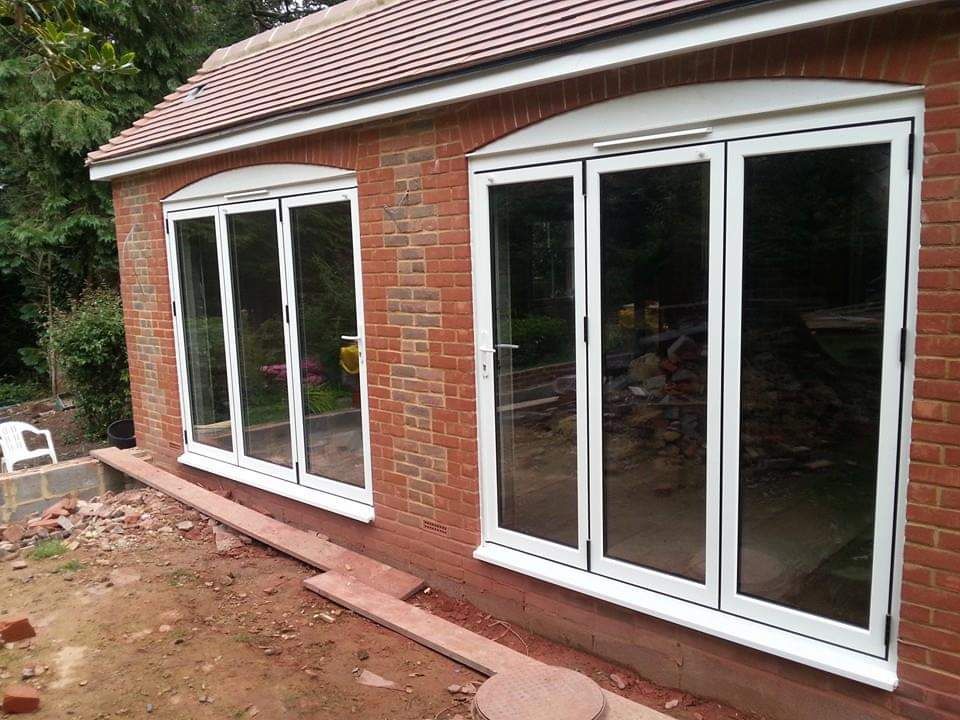
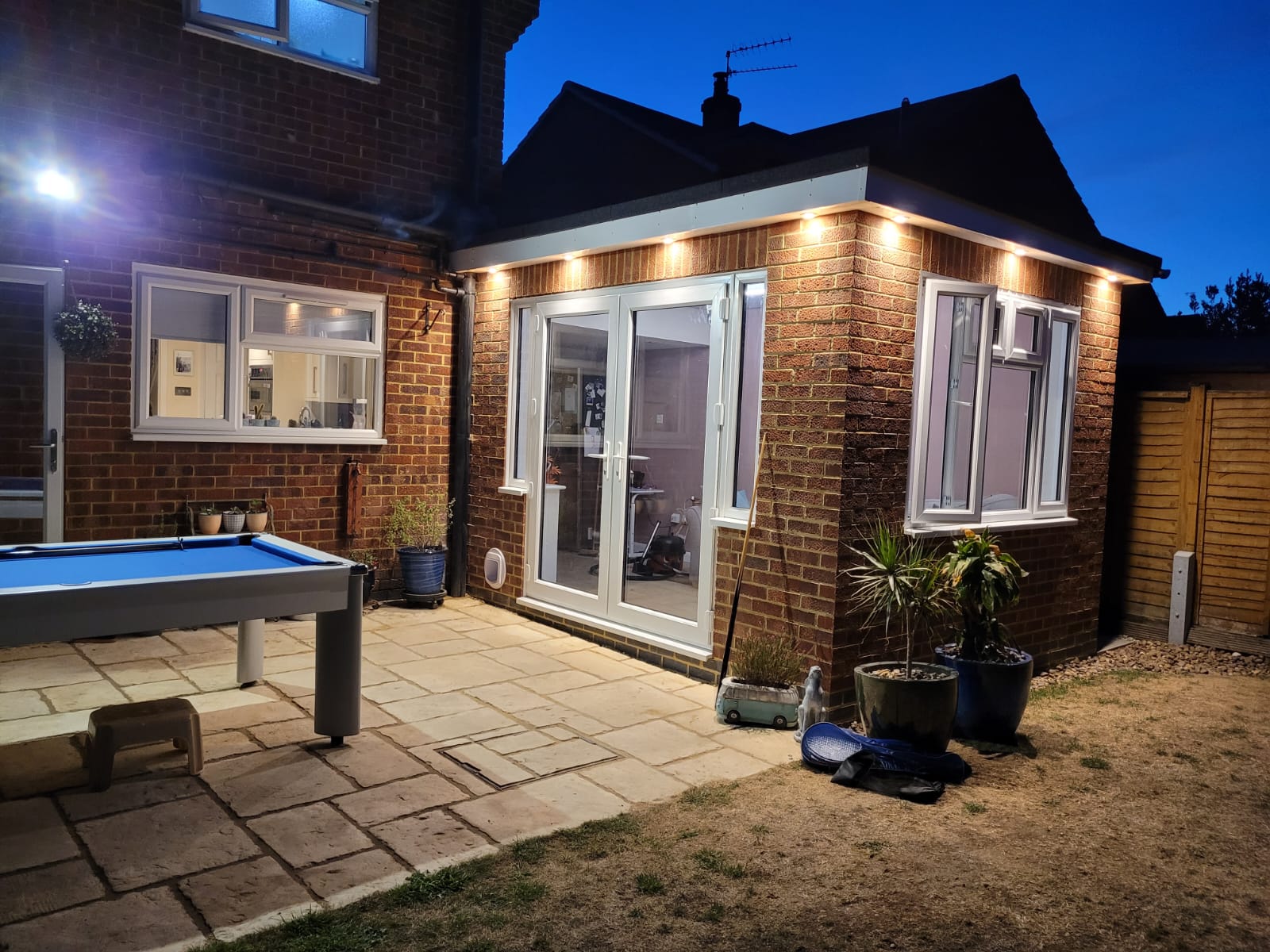
New builds, Extensions, Timber Frame, Roofing and Renovations.

Outdoor Spaces

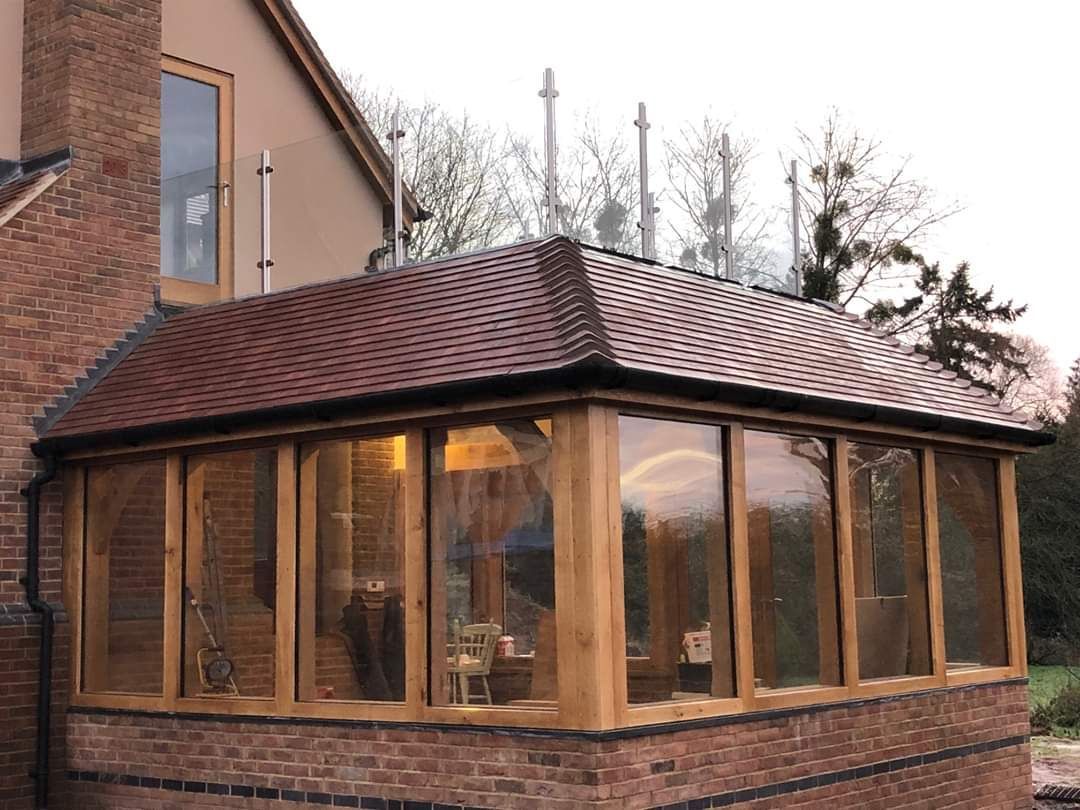
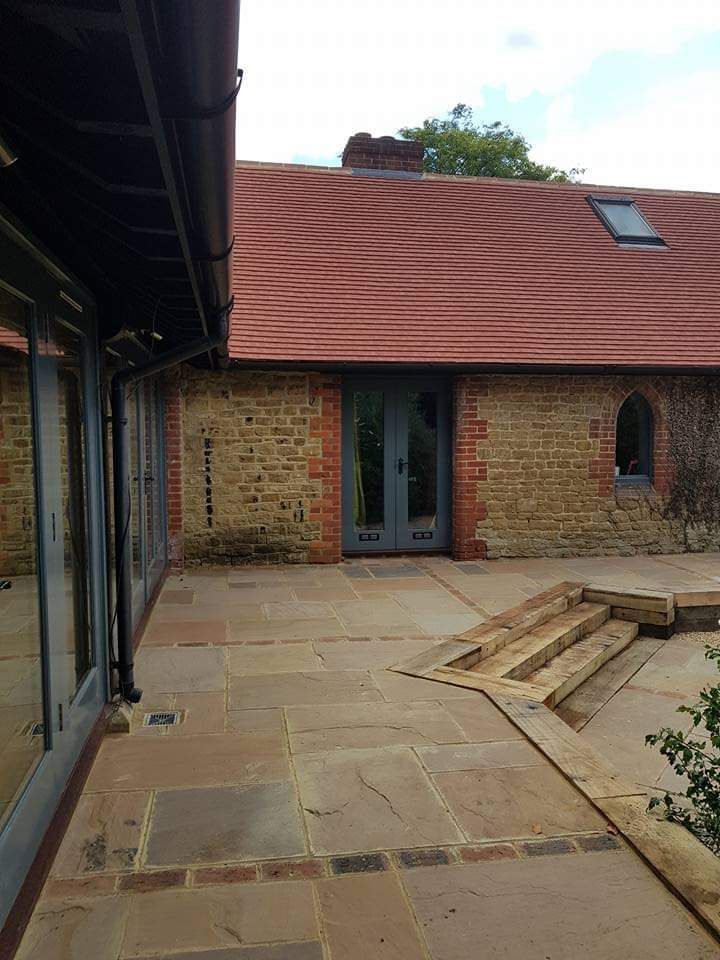
Garden Rooms, Garage Conversions, Car ports, Pergolas, Verandas, Lean to's. Specialist in polycarbonate roofing.

Carpentry

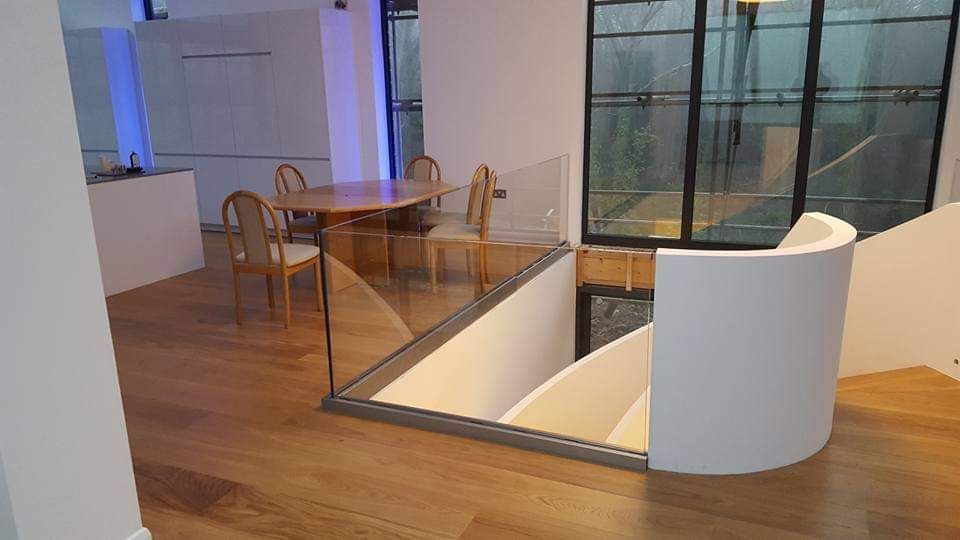
Stairs, Fascia & Soffits, Fencing, Decking. 1st fix, 2nd fix, Timber Frame, Roofing, flooring and Joist work

Residential

Extensions, Conversions, Timber Frame, Flat Roofing

(Pitched trusses and Hand Cut) and Renovations.


START YOUR PROJECT


Get in touch with our team via email to share your project requirements. The Jigsaw Team will carefully review, offer consultations, and schedule a site visit to delve deeper into the specifics.


In order to maintain high standards, Jigsaw will keep you informed with regular updates right from the start, ensuring you have accurate and transparent information as the project progresses.


This marks the climax of every project, the long-awaited day. Any unexpected delays will be properly explained, and necessary amendments will be made to keep you well-informed about the completion of the work.
Contact Jigsaw

our PROJECTs


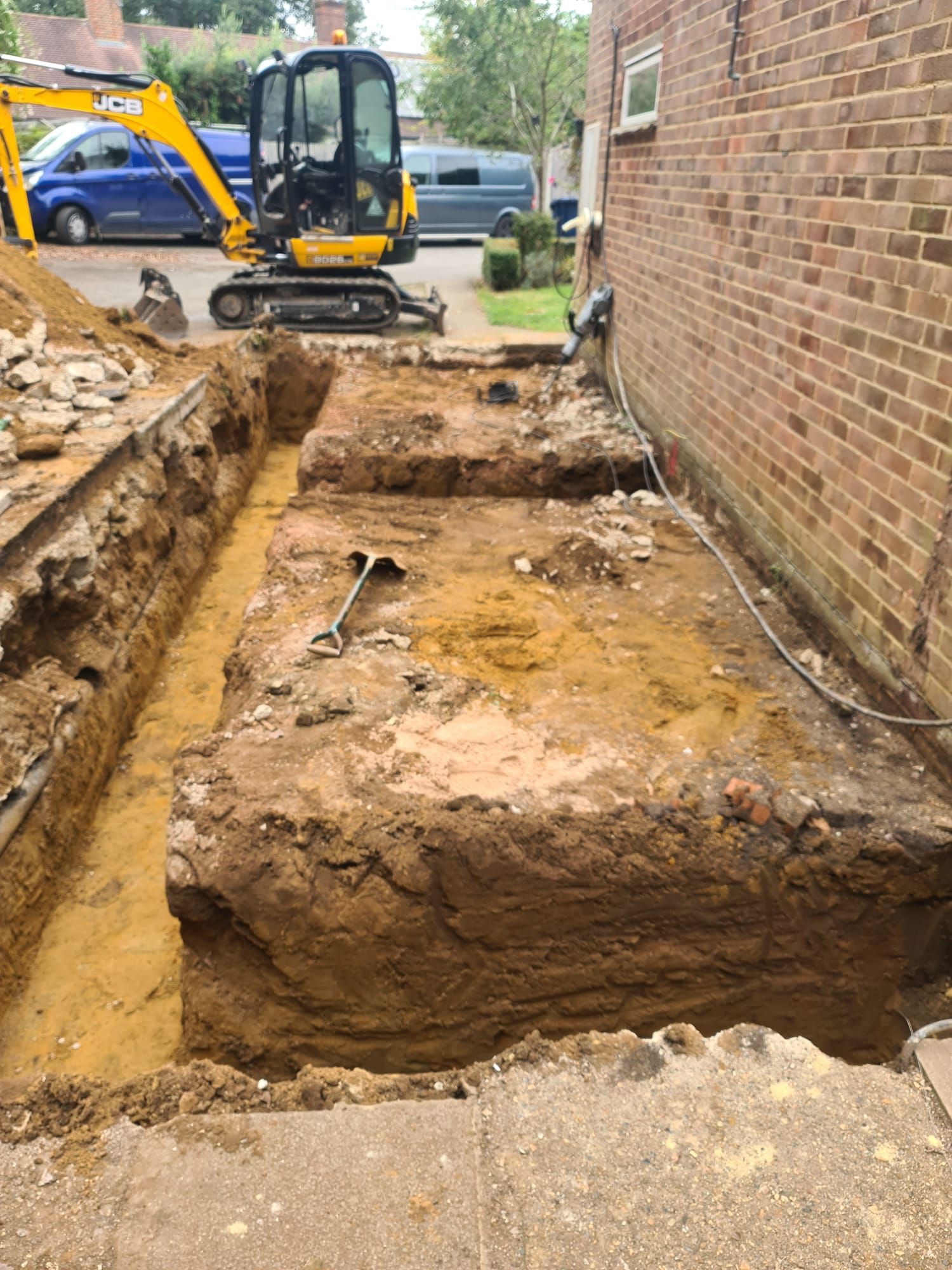
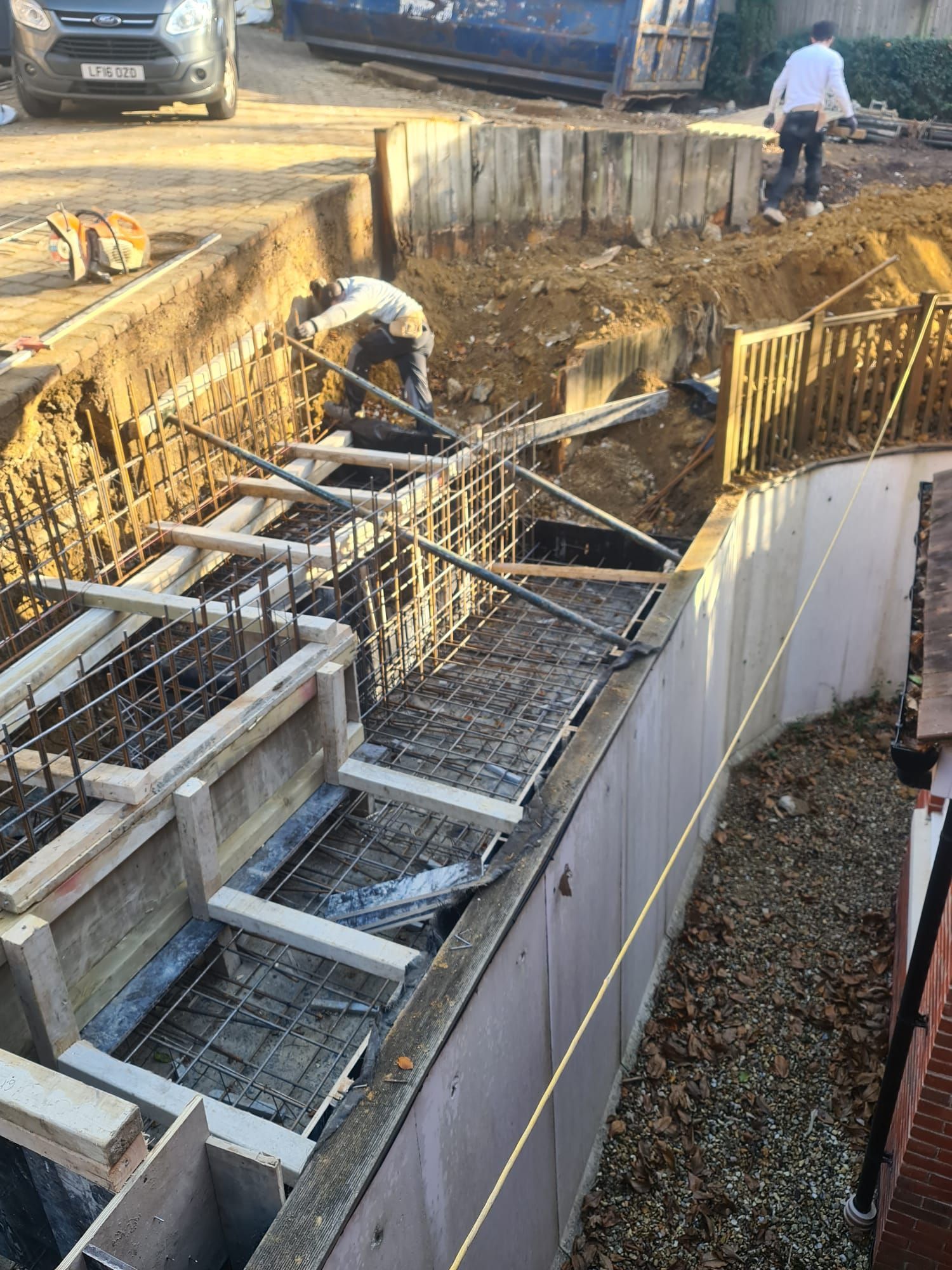
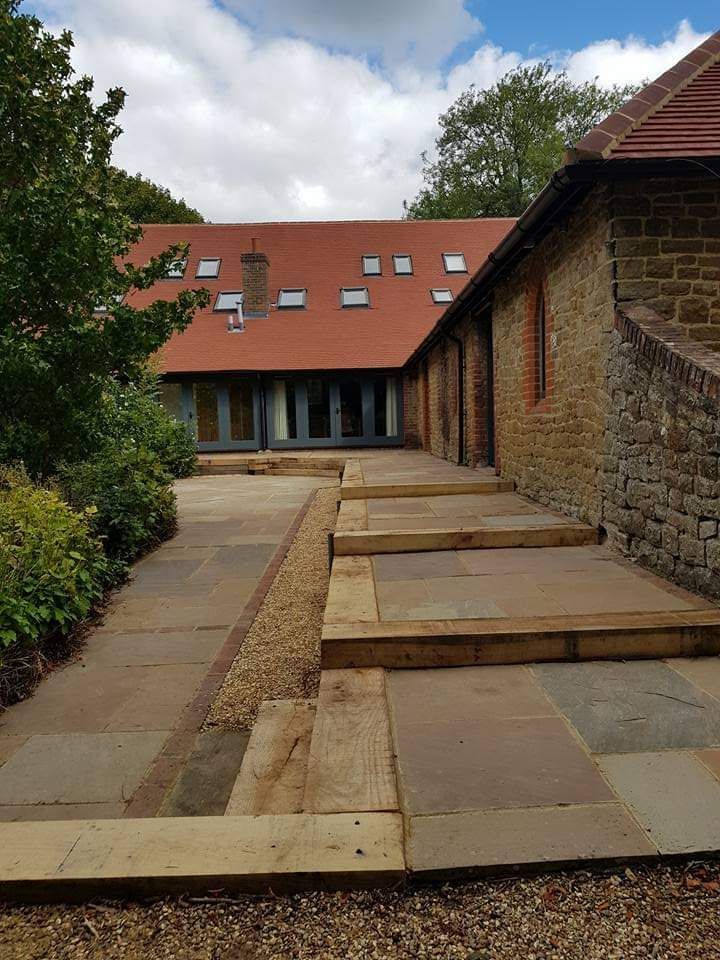
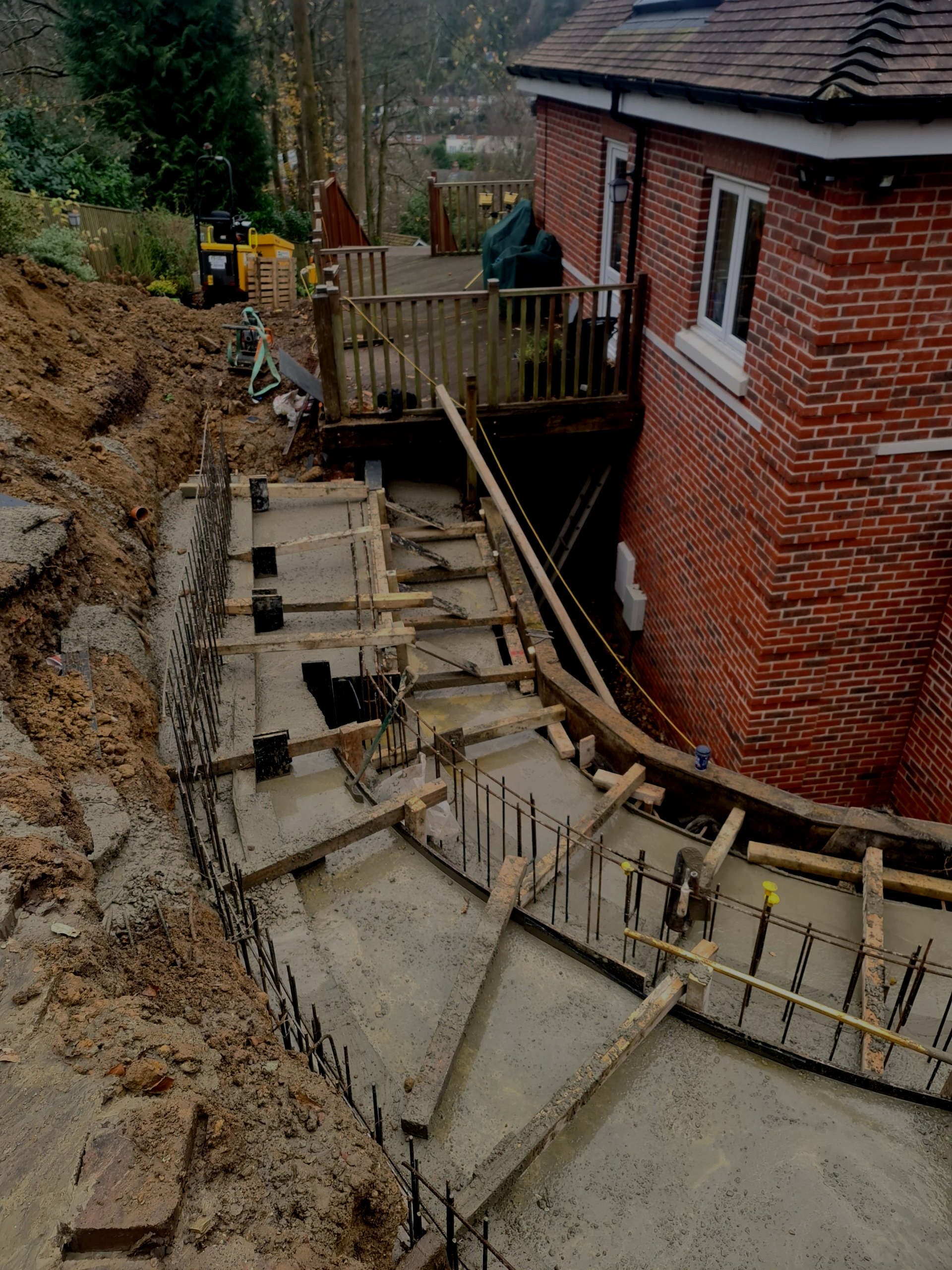
We work across a wide range of skills including groundwork, brick and stone work, carpentry and utilities.


We have a team of skilled workers that cover a variety of carpentry and building skills working around Hampshire, Surrey and West Sussex. We are a hardworking company that take pride and passion in what we do. Our skilled team offer a wide range of services and solutions so that customers have places to work, live and have fun in.


Because the construction industry is so diverse, Jigsaw stand above the average and are a caring team of individuals who provide a personable expertise to each project and who work together to achieve our goals.

Contact

We’d love to hear from you. Choose the most convenient method and we’ll get back to you as soon as we can.

Contact us

Contact

We’d love to hear from you. Choose the most convenient method and we’ll get back to you as soon as we can.

Contact us


Contact our team //

JVM Construction Ltd

17 kingsway, St John's Terrace,

Bedford, MK42 9BJ

+447917764549

hello@jcs-ltd.co.uk

Contact us

Office. +44 7917 764549


Email.  hello@jcs-ltd.co.uk

Office Contact Hours

Mon - Fri
-
Saturday
Appointment only
Sunday
Closed

Connect