
Renovating an Older Home in Surrey: How to Preserve Its Character
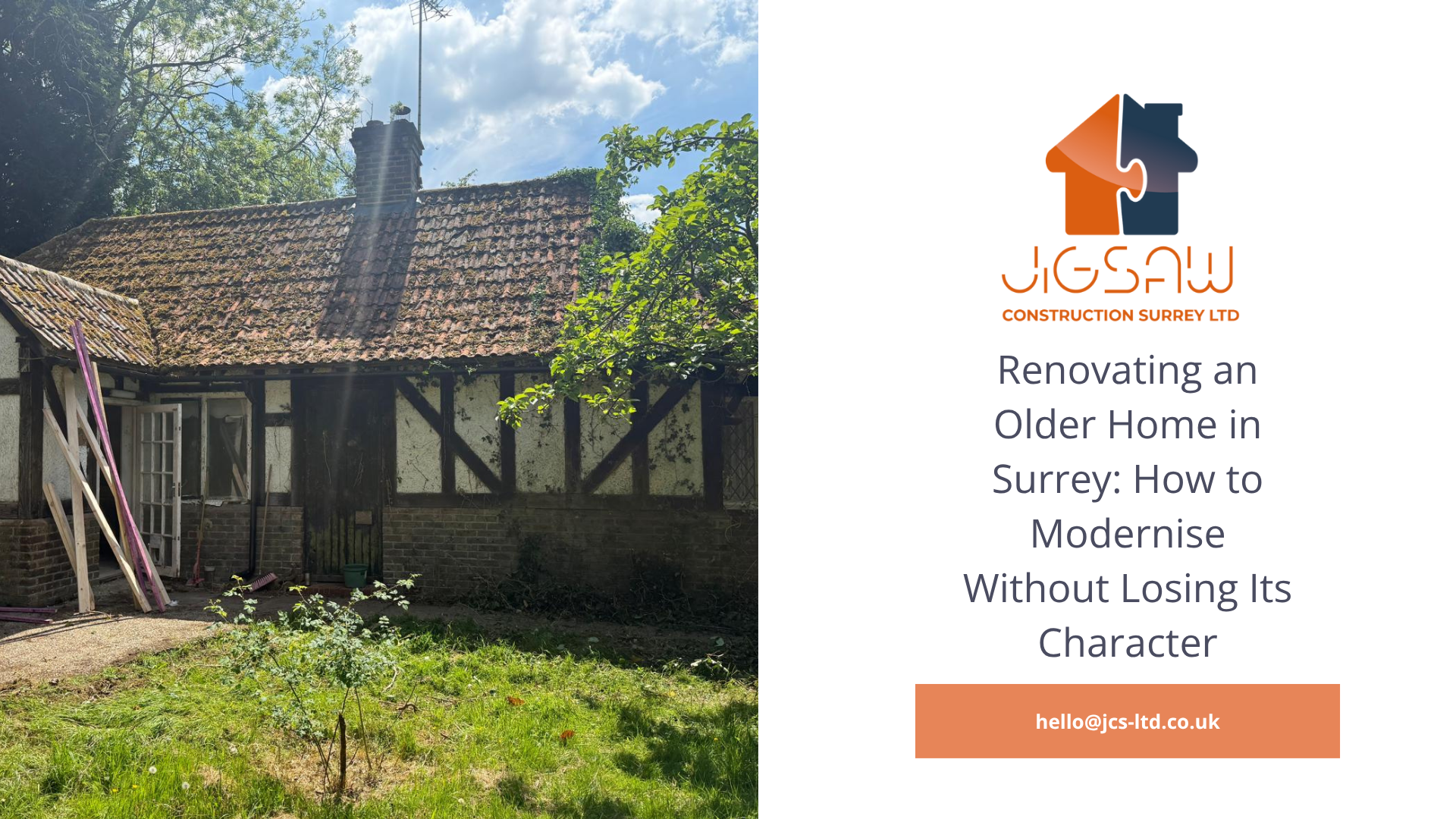
Renovating an Older Home in Surrey: How to Modernise Without Losing Its Character
Older homes have something that many modern properties simply cannot replicate: character.
Original fireplaces, traditional brickwork, timber features, unusual layouts, and architectural details can give a property a unique sense of history and personality. Across Surrey, many homeowners are fortunate enough to live in established properties with features worth preserving.
But older homes were built for a very different way of life.
Smaller kitchens, separate dining rooms, limited natural light, ageing services and poor insulation can all make a character property less suited to the way families live today.
So, how do you create a warmer, brighter and more practical home without stripping away the features that made you fall in love with it in the first place?
The answer is thoughtful renovation.
Modernising an older property does not have to mean turning it into a completely different home. With careful planning, sympathetic materials and quality construction, it is possible to combine the best of the old with the comfort and functionality of the new.
Here are some of the most important considerations when renovating an older home in Surrey.
Start by Understanding the Property
Before changing an older home, it is important to understand what you are working with.
Properties that have stood for decades — or even centuries — may have been altered several times by previous owners. Walls may have been removed, extensions added, services updated and original features covered or replaced.
Before major renovation work begins, it is sensible to understand:
- The age and construction of the property
- Which walls are structural
- The condition of the roof and external fabric
- Existing drainage and services
- Signs of damp, movement or previous repairs
- Any original features worth retaining
This early investigation can help identify potential challenges before they become expensive surprises during construction.
Older homes often require a different approach from newer properties. Materials and construction methods that work perfectly in a modern building may not always be appropriate for a traditional one.
Understanding the building should always come before changing it.
Decide What Character Means to You
Not every old feature needs to stay simply because it is old.
Equally, removing everything and starting again can take away the personality that makes an older home special.
Before renovating, identify the features that genuinely contribute to the character of your property.
These might include:
- Original fireplaces
- Timber beams
- Period doors
- Decorative plasterwork
- Traditional brickwork
- Bay windows
- Original floorboards
- Architectural proportions
Once you know which elements matter most, the renovation can be designed around them.
Sometimes, retaining one or two strong original features within a modernised space creates far more impact than trying to preserve every detail.
The aim should not necessarily be to create a museum. It should be to create a comfortable modern home that still feels connected to its history.
Improve the Layout for Modern Living
One of the biggest challenges with older homes is often the layout.
Many traditional properties were designed with smaller, separate rooms because families lived very differently when they were built.
Today, homeowners often want:
- Larger kitchens
- Better family spaces
- Improved natural light
- Easier access to the garden
- More practical storage
- Better flow between rooms
However, modernising a layout does not always mean removing every internal wall.
Fully open-plan living works brilliantly for some households, but others prefer a combination of open spaces and more defined rooms.
A carefully planned renovation might involve widening an opening between a kitchen and dining room, creating better sightlines through the property, or extending the rear of the home to provide additional space without completely changing the original layout.
The best solution depends on the property and the people living in it.
Create a Clear Contrast Between Old and New
When extending an older home, there are generally two broad approaches.
The first is to closely match the original building.
The second is to create a deliberate but complementary contrast.
Both can work beautifully.
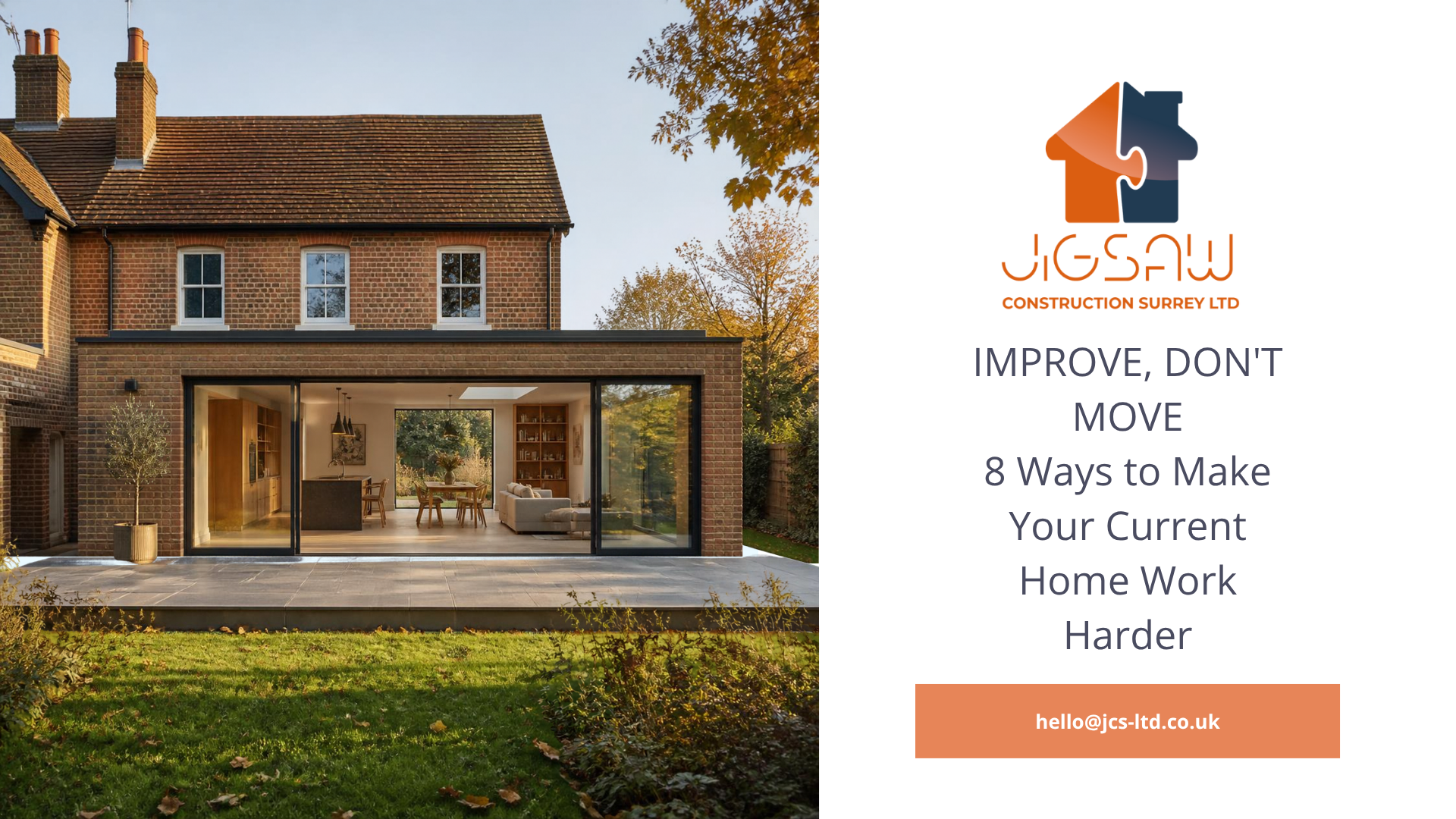
A sympathetic traditional extension may use matching brickwork, rooflines and window proportions so the new addition feels like a natural continuation of the existing house.
Alternatively, a contemporary extension using large areas of glazing and modern materials can clearly distinguish the new part of the property from the old.
The important word is complementary.
A successful extension should respect the proportions, materials and setting of the original home, even when the design itself is modern.
Done well, the contrast between old and new can become one of the most interesting features of the entire property.
Bring More Natural Light Into the Home
Older properties can sometimes feel dark, particularly at the rear or in the centre of the house.
Improving natural light is therefore one of the most effective ways to modernise an older home.
Options may include:
- Rooflights
- Roof lanterns
- Larger windows
- Glazed doors
- Internal glazed partitions
- Carefully positioned openings between rooms
The aim is not simply to install as much glass as possible.
Good design considers how light moves through the property at different times of the day.
A strategically positioned rooflight, for example, can transform a previously dark area without dramatically changing the character of the exterior.
Upgrade Comfort and Energy Performance Carefully
Older homes can be beautiful, but they are not always the easiest or cheapest properties to heat.
Improving comfort and energy performance is therefore a priority for many renovation projects.
Depending on the property, improvements could include:
- Better roof insulation
- Appropriate wall insulation
- Improved glazing
- Draught reduction
- Modern heating controls
- More efficient heating systems
However, older buildings need to be treated with care.
Traditional properties were often constructed using materials that manage moisture differently from modern buildings. Applying unsuitable materials or completely sealing a building without understanding how it performs can sometimes create new problems.
This is why a considered approach is so important.
The objective should be to improve comfort and efficiency while respecting the way the existing building was constructed.
Expect the Unexpected
Even with careful preparation, renovating an older property can reveal surprises.
Once walls, floors or ceilings are opened up, you may discover previous alterations, ageing pipework, outdated electrics or repairs that were not visible beforehand.
This does not mean an older home should be avoided.
It simply means realistic planning is essential.
A sensible contingency budget and an experienced construction team can make unexpected discoveries far easier to manage.
The difference is often not whether a challenge appears, but how professionally it is handled when it does.
Choose Materials That Will Age Well
When combining old and new, material selection matters.
The latest trend may look impressive today, but a renovation should ideally still feel appropriate many years from now.
Natural and durable materials can work particularly well in older properties, including:
Timber
Stone
Brick
Quality tiles
Simple, well-made joinery
Modern materials can also be used successfully when they are chosen to complement rather than compete with the existing property.
The goal is balance.
A modern kitchen can sit beautifully within a period home. Contemporary glazing can highlight original brickwork. New joinery can reference traditional proportions without attempting to imitate the past.
Good renovation is not about making everything match. It is about making everything feel considered.
Protect the Details That Make the Home Unique
During a major renovation, it can be tempting to focus entirely on the biggest elements of the project.
But character is often found in the smaller details.
An original door, unusual piece of brickwork or restored fireplace can become a focal point within a newly renovated space.
Before work begins, consider which features should be protected, restored or carefully incorporated into the new design.
Sometimes the most memorable part of a renovation is not what was added, but what was thoughtfully retained.
A Successful Renovation Should Still Feel Like Your Home
The best older-home renovations do not erase the past.
They allow the property to move forward.
A successful project might give you a brighter kitchen, better insulation, improved access to the garden and a more practical layout — while still preserving the character and individuality of the original home.
That balance requires careful thought.
It also requires a construction team that understands that renovating an existing property can be very different from building something entirely new.
Renovating Your Surrey Home with Jigsaw Construction Surrey Ltd
At Jigsaw Construction Surrey Ltd, we understand that every property has its own story, challenges and opportunities.
Renovating an older home requires more than simply replacing what is already there. It means understanding the existing building, making informed decisions and creating improvements that feel right for both the property and the people who live in it.
Whether you are considering a sympathetic renovation, reconfiguring your existing layout, creating a new extension or undertaking a larger home transformation, careful planning and quality workmanship can make all the difference.
Our focus is on creating spaces that work beautifully for modern life while respecting the individual character of the property.
If you are considering renovating or extending an older home in Surrey, get in touch with Jigsaw Construction Surrey Ltd to discuss your ideas and explore what could be possible.
Modernise your home. Preserve its character. Build for the way you live today.